
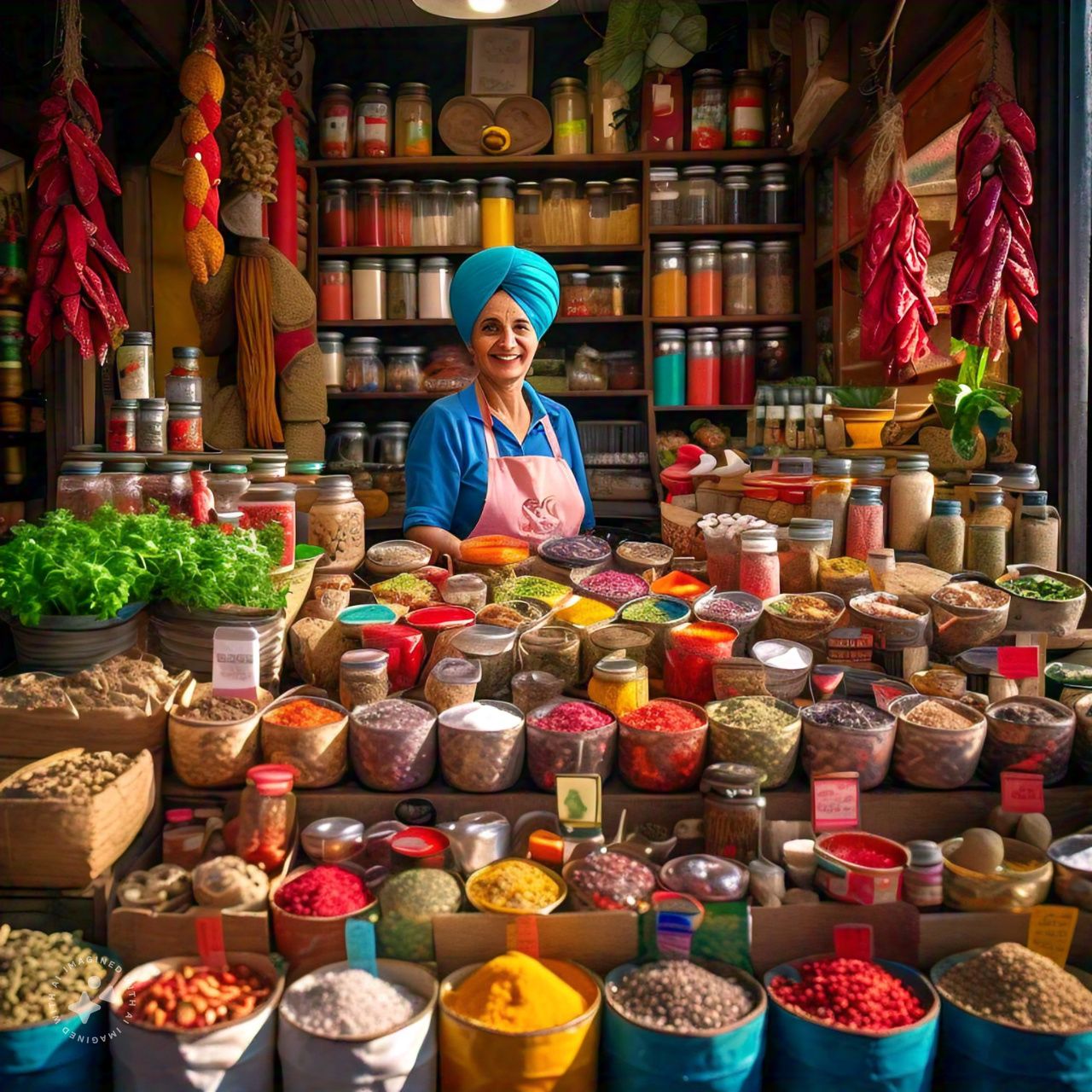
Seasonings from Around the World: Cuisine with Global Flavors
In the world of culinary exploration, seasonings play a crucial role in transforming ordinary dishes into extraordinary experiences. From aromatic spices to pungent herbs, seasonings from around the world offer a rich tapestry of flavors that can elevate any meal. Whether you’re cooking for your family, entertaining guests, or experimenting with new dishes, global seasonings can bring a taste of the world to your kitchen.
In this article, we’ll explore some of the most popular seasonings from around the world that can add vibrant, exciting flavors to your cooking.
Table of Contents
- Introduction
- The Importance of Seasonings in Global Cuisine
- Popular Global Seasonings and Their Origins
- How to Use Global Seasonings in Your Cooking
- Q&A: Common Questions About Seasonings from Around the World
- Conclusion
Introduction
Food is a universal language, and seasonings are its vocabulary. From the fiery heat of chili peppers to the earthy tones of cumin, each seasoning tells a story of its origin, culture, and unique flavor profile. The diverse use of spices and herbs not only enhances the taste of dishes but also brings cultural richness to the table.
As global travel becomes more accessible, people are becoming increasingly interested in exploring international cuisines and experimenting with seasonings from around the world. Whether you’re cooking at home or running a restaurant, incorporating global seasonings can transform your meals and expand your culinary horizons.
The Importance of Seasonings in Global Cuisine
Seasonings are essential in creating flavorful dishes and making the most of the ingredients available in a particular region. They do more than just add flavor; they can also:
- Reflect Regional Identity: Different regions have developed unique seasonings based on local ingredients, traditions, and cultural preferences. Each seasoning has a story and history tied to it.
- Enhance Nutritional Value: Many spices and herbs have health benefits, such as anti-inflammatory properties, antioxidants, and digestive aids.
- Elevate Dishes: Seasonings can turn an ordinary meal into something extraordinary by adding depth, complexity, and a distinctive taste.
- Create Authenticity: Using the right seasonings ensures that dishes stay true to their origins, providing an authentic taste experience.
Popular Global Seasonings and Their Origins
Here’s a look at some of the most popular seasonings from around the world, along with their culinary uses and origins.
Cumin (Middle Eastern, Indian, Mexican)
- Flavor Profile: Earthy, warm, slightly peppery.
- Uses: Common in Indian, Middle Eastern, and Mexican cuisine. It’s often used in curry blends, chili, stews, and roasted vegetables.
- Health Benefits: Rich in iron and antioxidants, cumin aids in digestion and improves metabolism.
Fun Fact: Cumin is a key ingredient in garam masala (Indian spice mix) and is often added to taco seasoning.
Turmeric (South Asia, Middle Eastern)
- Flavor Profile: Earthy, slightly bitter with a peppery note.
- Uses: Turmeric is widely used in Indian curry dishes, Middle Eastern stews, and golden milk (a health drink). It’s also the star ingredient in mustard and adds color to rice dishes.
- Health Benefits: Turmeric contains curcumin, which has powerful anti-inflammatory properties and can boost immunity.
Fun Fact: Turmeric is often referred to as the “golden spice” due to its bright yellow color.
Chili Powder (Latin America, Asia)
- Flavor Profile: Spicy, smoky, and slightly sweet.
- Uses: Common in Latin American cuisine, especially in salsas, chili con carne, and barbecue rubs. In Asian cuisine, chili powder is used in stir-fries, soups, and curries.
- Health Benefits: Rich in capsaicin, chili powder can boost metabolism, improve circulation, and provide pain relief.
Fun Fact: Chili peppers are used in many forms across the world—from fresh to powdered—to add heat to dishes.
Oregano (Mediterranean, Latin America)
- Flavor Profile: Pungent, slightly bitter with a hint of sweetness.
- Uses: Oregano is a staple in Mediterranean and Latin American cuisines. It’s frequently added to pasta sauces, pizzas, salads, grilled meats, and marinades.
- Health Benefits: Oregano is a natural antioxidant and has anti-inflammatory properties that promote overall health.
Fun Fact: In Mexican cooking, oregano is often used in combination with lime to enhance the flavor of tacos and salsas.
Fennel Seeds (Italy, India)
- Flavor Profile: Sweet, slightly licorice-like.
- Uses: Fennel seeds are common in Indian and Italian cooking. They’re often used in spice blends, curries, stews, and Italian sausages.
- Health Benefits: Fennel seeds aid digestion, reduce bloating, and are often used to freshen breath.
Fun Fact: Fennel is also used in Italian liqueurs, such as Sambuca, for its sweet, aromatic taste.
How to Use Global Seasonings in Your Cooking
Incorporating global seasonings into your meals is easier than you think. Here are some simple ways to get started:
- Experiment with Spice Blends: Mix cumin, coriander, and turmeric thus creating a curry powder for Indian dishes, or combine chili powder, cumin, and oregano for a taco seasoning blend.
- Season Your Grilled Dishes: Use oregano and fennel seeds to season for Mediterranean-inspired dishes.
- Add Depth to Soups and Stews: Sprinkle some turmeric or cumin into your soups so as to get a warm, hearty flavor.
- Enhance Vegetables: Try sprinkling chili powder or oregano on roasted vegetables for an extra layer of flavor.
- Create Global Sauces: Use cumin in a Middle Eastern tahini sauce or oregano in a Latin American salsa verde.
Q&A: Common Questions About Seasonings from Around the World
1: How do I know which seasonings to use for different cuisines?
- Nevertheless, The best way to learn is through experience. Research traditional dishes from various regions and subsequently, identify the seasonings commonly used. You can also purchase seasoning kits that offer a variety of global flavors to experiment with.
2: Are there any seasonings I should avoid if I have allergies?
- Yes, for instance, certain spices like cumin and chili powder may cause allergic reactions in some individuals. Always check ingredient labels, especially if you’re buying pre-made spice blends, and consult with a healthcare provider if you have concerns.
3: Can I use these global seasonings in my daily cooking?
- Yes! Certainly, as Many global seasonings are versatile and can be used in a wide range of everyday dishes, from roasted vegetables to pasta, stews, and salads.
4: How can I make my own spice blends?
- Making your own spice blends is rather very simple. Start with a base seasoning (such as cumin or chili powder) and add complementary spices like garlic powder, oregano, and paprika. However, Adjust the quantities based on your taste preferences.
Conclusion
Incorporating global seasonings into your cooking is certainly, an exciting way to explore new flavors and enhance your culinary skills. For example, By using cumin, turmeric, chili powder, oregano, and fennel seeds, you can bring the flavors of the world into your kitchen thus, creating dishes that are rich in taste and cultural depth. Hence, Experiment with different combinations, and let the power of these seasonings elevate your meals. Whether you’re new to global flavors or a seasoned pro, the world of seasonings offers endless possibilities for creativity and flavor exploration.