
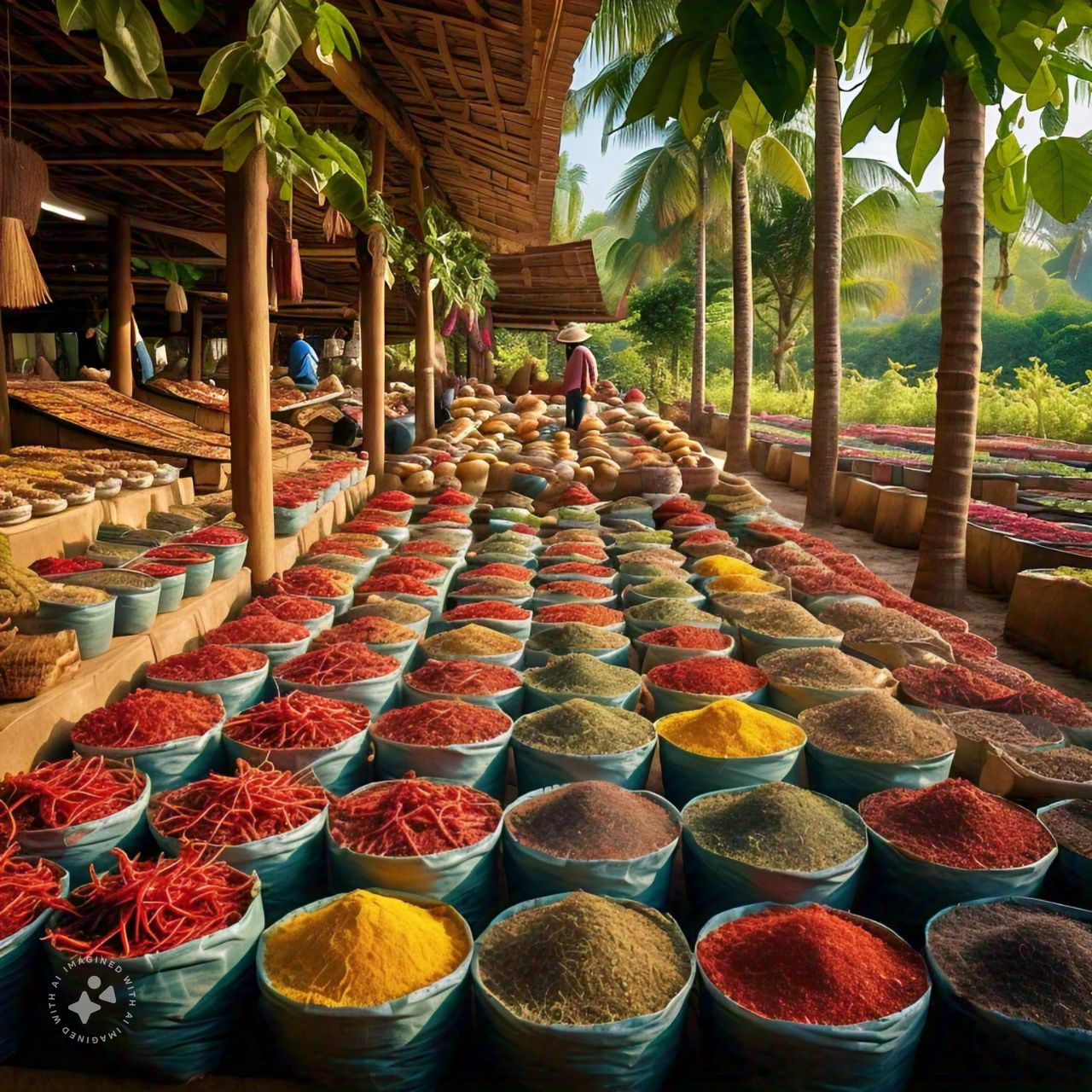
Sustainable Spice Farming: How India is Leading the Way
India, known as the “land of spices”, is home to a vast array of aromatic, flavorful, and medicinal spices like turmeric, cardamom, black pepper, cumin, and coriander. As global demand for spices continues to rise, the pressure on spice farming to meet this demand without compromising the environment and social structures is increasing. Sustainable spice farming is not just a buzzword; it is a necessary approach to ensure the long-term viability of the spice industry. India, as the world’s largest producer and exporter of spices, is at the forefront of adopting sustainable farming practices that benefit both the environment and farmers.
In this blog, we will explore how India is leading the way in sustainable spice farming, the practices being adopted, and how these initiatives are helping shape the future of the spice industry.
Why Sustainable Spice Farming Matters
1. The Environmental Impact of Conventional Spice Farming
Traditional spice farming, though effective in terms of yields, often involves harmful practices such as excessive use of chemical fertilizers, pesticides, and water-intensive irrigation methods. These practices can lead to:
- Soil Degradation: Continuous use of chemicals can lead to the depletion of essential soil nutrients, affecting crop health and future yields.
- Water Scarcity: Many conventional farming practices waste large amounts of water, exacerbating water scarcity in regions dependent on agriculture.
- Biodiversity Loss: Monoculture farming, which focuses on growing a single crop repeatedly, reduces biodiversity and makes ecosystems more vulnerable to pests and diseases.
2. The Need for Sustainable Agriculture
Sustainable farming focuses on practices that preserve and enhance environmental health, promote biodiversity, and ensure social equity. By adopting eco-friendly farming methods, spice farmers can reduce their impact on the planet while maintaining long-term productivity. Sustainable farming also improves the livelihoods of farmers by reducing reliance on expensive chemicals and creating healthier farming communities.
How India is Leading Sustainable Spice Farming
1. Organic Spice Farming
India has been at the forefront of the organic farming movement, and this is increasingly evident in the spice sector. Organic spice farming involves growing spices without synthetic pesticides, fertilizers, or genetically modified organisms (GMOs), focusing instead on natural methods to enhance soil fertility and pest control.
- Certification: Many Indian farmers are now opting for organic certification, such as EU Organic and USDA Organic, which are globally recognized. This opens up export opportunities to international markets that demand organic products.
- Reduced Chemical Usage: Organic farming not only improves soil health but also reduces the environmental pollution caused by agrochemicals. It also ensures healthier crops, free from harmful residues.
Examples: India’s Kerala and Tamil Nadu states are known for their organic farming initiatives, especially for spices like cardamom and black pepper.
2. Agroforestry and Mixed Cropping
In sustainable spice farming, agroforestry and mixed cropping are gaining popularity. This approach combines spice crops with trees, fruits, and other plants to create a more diverse, resilient farming ecosystem.
- Agroforestry: Spice farmers are integrating trees such as areca palm and coffee with their spice crops, creating a multi-layered farm ecosystem that improves soil health, provides shade, and supports wildlife.
- Mixed Cropping: Planting a variety of crops alongside spices helps increase biodiversity, reduce the risk of pest outbreaks, and prevent soil erosion. For example, farmers may plant coriander alongside turmeric or chili to increase yield diversity.
3. Water Conservation Practices
Given the challenges posed by water scarcity, India has implemented several water conservation practices in spice farming to ensure that water usage is both efficient and sustainable.
- Rainwater Harvesting: Farmers are being encouraged to collect and store rainwater during the monsoon season for use in drier months.
- Drip Irrigation: A highly efficient method of watering crops directly at the root zone, which reduces water wastage and ensures that plants receive the right amount of water.
- Water-Saving Technologies: Adoption of mulching and soil moisture retention techniques helps in reducing water evaporation and maintaining soil fertility.
4. Fair Trade and Farmer Welfare Initiatives
Sustainable spice farming is not just about environmental practices; it also involves creating a better future for farmers. Fair Trade and farmer welfare programs are essential components of India’s sustainable spice farming landscape.
- Fair Trade Certification: India’s spice farmers are increasingly participating in Fair Trade certification programs, which ensure that farmers receive a fair price for their products, while also promoting sustainable farming practices.
- Farmer Education: NGOs and agricultural extension services are actively involved in educating farmers about sustainable techniques, organic farming, and business practices that improve income stability.
Benefits of Sustainable Spice Farming for the Global Market
1. Higher Quality and Healthier Spices
Sustainable farming practices lead to the production of higher-quality, chemical-free spices. This is particularly important in international markets, where consumers are increasingly concerned about the quality of the food they consume, especially with regard to pesticide residue.
- Healthier Products: Spices grown using sustainable methods are free from harmful chemicals, making them a healthier choice for consumers.
- Superior Taste and Aroma: Spices grown in healthy soils tend to have a richer flavor and aroma, which enhances the culinary experience.
2. Meeting Global Demand for Organic Products
As global consumers become more health-conscious and environmentally aware, the demand for organic and sustainably grown spices is increasing. India’s shift towards sustainable spice farming allows it to tap into lucrative international markets, including the European Union, United States, and Japan, where consumers are willing to pay a premium for certified organic products.
- Export Opportunities: Sustainable and organic spice farming opens up new export opportunities for India’s spice farmers, boosting the country’s economy and increasing international trade.
3. Preserving Biodiversity
By focusing on practices like agroforestry and mixed cropping, India’s spice farming industry is actively working towards preserving the biodiversity of its ecosystems. This includes protecting native plant species, insects, and wildlife that rely on healthy agricultural environments.
Challenges in Implementing Sustainable Spice Farming
1. High Initial Costs
The transition to sustainable farming methods, such as organic certification, agroforestry, and water-saving techniques, can require significant initial investment. Many farmers face challenges in funding these changes without external support.
- Solution: Government subsidies, loans, and programs that provide financial assistance to farmers for adopting sustainable practices can help overcome these barriers.
2. Lack of Awareness and Education
While sustainable farming practices have numerous benefits, many farmers in rural areas are still unaware of the techniques available to them. As a result, This knowledge gap can hinder the widespread adoption of sustainable methods.
- Solution: Local agricultural extension services and NGOs play a key role in educating farmers about sustainable practices and providing hands-on training.
FAQs about Sustainable Spice Farming
1. What is the main benefit of organic spice farming?
The main benefit of organic spice farming is the production of chemical-free spices, which are not only healthier for consumers but also better for the environment. Nevertheless, Organic farming practices improve soil health, reduce water usage, and promote biodiversity.
2. How does agroforestry contribute to sustainable spice farming?
Agroforestry contributes to sustainable spice farming by integrating trees with crops. This creates a more diverse farming ecosystem, improves soil fertility, provides shade for crops, and protects against erosion, all while maintaining biodiversity.
3. Why is water conservation important in spice farming?
Water conservation is critical in spice farming due to the increasing scarcity of water resources. Techniques like rainwater harvesting, drip irrigation, and mulching help optimize water use, ensuring that spice crops thrive while reducing environmental strain.
4. How does Fair Trade certification benefit spice farmers?
Fair Trade certification ensures that spice farmers receive a fair price for their products, thus promoting social equity. It also encourages the use of sustainable farming practices and helps farmers access premium markets where consumers value ethically produced goods.
5. What are the challenges faced by spice farmers in adopting sustainable practices?
Challenges include the high initial costs of transitioning to sustainable farming, lack of awareness or education, and access to financial support. However, Overcoming these barriers requires government intervention, financial incentives and educational programs for farmers.
Conclusion
India is leading the way in sustainable spice farming not only by adopting eco-friendly practices but also by improving farmers’ livelihoods, and addressing environmental challenges. Nevertheless, Through organic farming, agroforestry, water conservation, and fair trade initiatives, India is shaping the future of the spice industry thus, ensuring that it remains viable, profitable, and environmentally responsible. To sum up, As consumers worldwide seek healthier and more sustainable food choices, India’s spice farmers are well-positioned to meet this demand and continue to thrive in the global marketplace.