
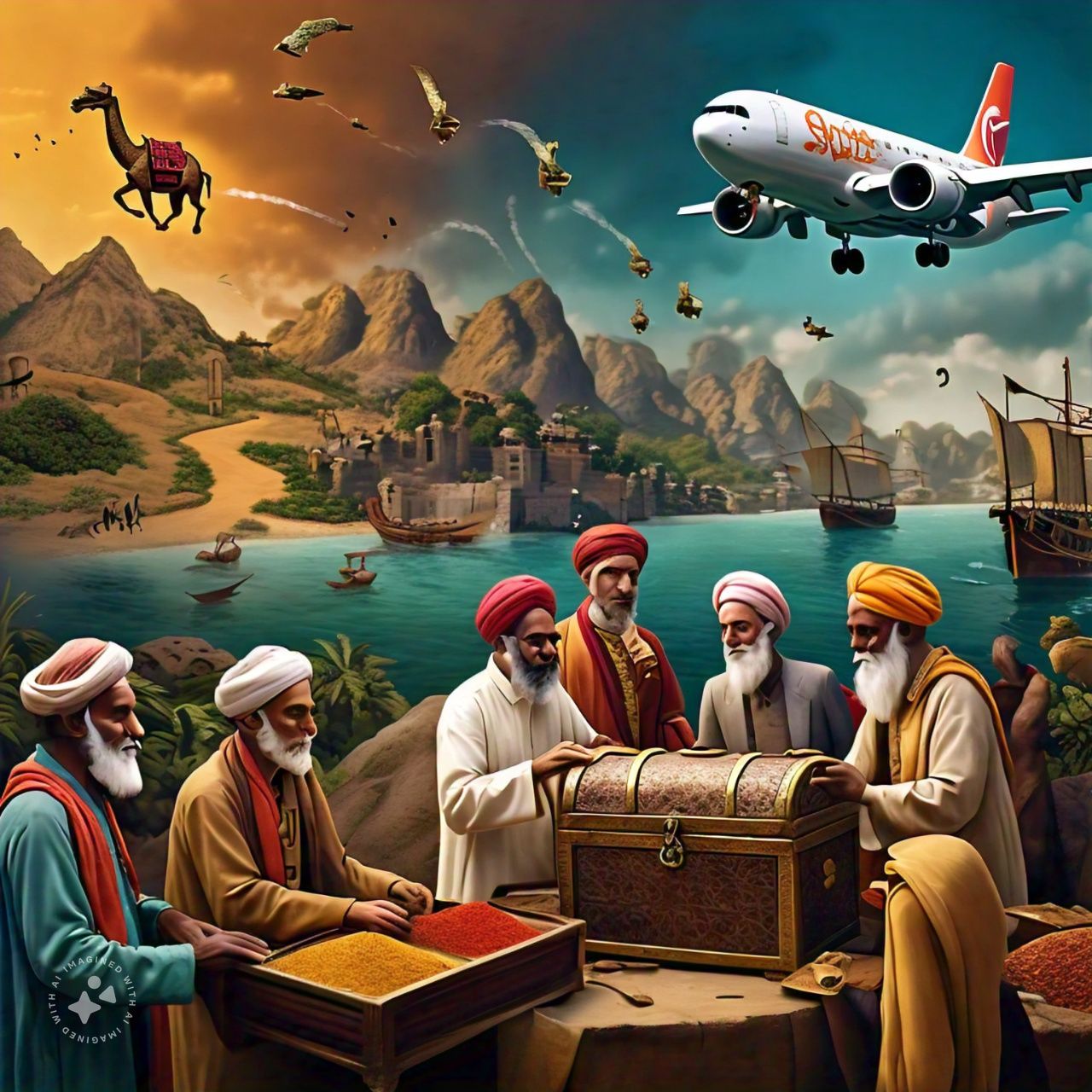
The History of Spice Trade: From Ancient Routes to Globalization
The History of Spice Trade has played a crucial role in shaping of civilizations, influencing economies, cultures, and global connections. Spices like pepper, cinnamon, and cloves were once as valuable as gold, driving explorers to embark on perilous journeys to new lands. In this blog, we’ll explore the fascinating history of the spice trade, tracing its journey from ancient trade routes to the modern globalized market.
Table of Contents
- Introduction: The Allure of Spices
- 1. The Beginnings of the Spice Trade
- Spices in Ancient Civilizations
- Early Trade Routes
- 2. The Rise of the Spice Routes
- The Silk Road and Spice Routes
- The Role of Maritime Trade
- 3. The Age of Exploration and Colonialism
- European Exploration and Spice Islands
- The Impact of Colonial Empires
- 4. The Spice Trade and Globalization
- The Evolution of Global Spice Markets
- The Rise of Supermarkets and Mass Consumption
- 5. The Lasting Influence of Spices Today
- Spices in Modern Cuisine
- The Continued Economic Impact
- Conclusion: Spices and Their Legacy
Introduction: The Allure of Spices
Spices have captivated human imagination for thousands of years. Their rich flavors, medicinal properties, and preservation qualities made them incredibly valuable commodities. The spice trade not only shaped the culinary traditions of many cultures but also contributed to the establishment of global trade routes, the discovery of new lands, and the rise and fall of empires. From ancient Egypt to modern-day supermarkets, spices have always been at the heart of international commerce.
1. The Beginnings of the Spice Trade
Spices in Ancient Civilizations
- Egyptians and Spices: Ancient Egyptians used spices like cinnamon, coriander, and myrrh for medicinal purposes, religious rituals, and embalming. These spices were imported from regions like Arabia and India.
- India as the Source: India, especially the Malabar Coast, became a hub for spices such as pepper, ginger, and turmeric. Spices were traded by land to the Middle East, and from there, they spread to Europe.
- The Importance of Spices: Early civilizations recognized the value of spices not only as flavor enhancers but also for their preservative and medicinal qualities. They were used to treat ailments and preserve food in hot climates.
Early Trade Routes
- Land Routes: The Silk Road was the most significant early trade route connecting the East and West. This ancient route facilitated the exchange of spices like cinnamon and ginger from Asia to Europe.
- Maritime Routes: The Arabian Sea and Red Sea were crucial in the spice trade, as ships from the Arabian Peninsula carried spices from India to Egypt and the Mediterranean.
2. The Rise of the Spice Routes
The Silk Road and Spice Routes
- Connecting East and West: The Silk Road not only facilitated the exchange of silk and other luxury goods but also played a crucial role in the spice trade. Key spices like cinnamon, nutmeg, and pepper were transported along this route, reaching markets in Greece, Rome, and China.
- The Role of Middlemen: Middle Eastern traders played an essential role in the spice trade, acting as intermediaries between the East and Europe. Spices were brought from India to Persia and then to the Mediterranean via Arabian traders.
The Role of Maritime Trade
- Indian Ocean Trade: By the 9th century, Arab and Indian traders had established maritime routes across the Indian Ocean, transporting spices like pepper, cloves, and cardamom from Southeast Asia and India to Africa and the Middle East.
- Chinese Influence: Chinese sailors also played an important role in the maritime spice trade, linking Southeast Asia to the rest of the world.
3. The Age of Exploration and Colonialism
European Exploration and Spice Islands
- The Quest for Spices: The Portuguese, followed by the Dutch, Spanish, and British, embarked on exploration missions to secure direct access to the spice-rich regions of Asia, including the Moluccas Islands (modern-day Indonesia), known as the Spice Islands.
- The Portuguese and Vasco da Gama: In the late 15th century, Portuguese explorer Vasco da Gama sailed around Africa to reach India, opening up direct trade routes for spices.
- The Dutch and the Spice Trade: The Dutch East India Company (VOC) became a dominant force in the spice trade in the 17th century, controlling key ports in Southeast Asia, including Bantam and Batavia (now Jakarta).
The Impact of Colonial Empires
- Colonial Powers: European colonial powers, especially the Dutch, British, and Portuguese, sought to control the spice trade by establishing colonies in Southeast Asia and the Caribbean. This often led to conflicts, such as the Dutch-Portuguese war for control of spice islands.
- Monopolies on Spices: Colonial powers established monopolies on the spice trade, especially for valuable spices like nutmeg, cloves, and pepper, ensuring that they could control prices and distribution.
4. The Spice Trade and Globalization
The Evolution of Global Spice Markets
- The Decline of European Control: By the 19th century, European colonial powers began to lose their grip on the spice trade as global trade routes diversified and the Industrial Revolution enabled mass production and transportation.
- Global Markets: Spices became more accessible to the general public as trade networks expanded. The invention of refrigeration and improved transportation allowed for fresher, more affordable spices to reach consumers worldwide.
- The Rise of Supermarkets: In the 20th century, supermarkets played a key role in distributing spices globally, making a wide variety of spices available to consumers in every corner of the world.
The Rise of Supermarkets and Mass Consumption
- New Spice Varieties: As globalization continued, the market saw an explosion of different types of spices available to the consumer. From saffron to paprika, consumers now have access to a wider range of spices than ever before.
- Culinary Trends: In recent years, global culinary trends have fueled the demand for exotic spices, with popular cuisines like Indian, Thai, and Middle Eastern contributing to the widespread use of spices in home cooking.
5. The Lasting Influence of Spices Today
Spices in Modern Cuisine
- Cultural Influences: Spices continue to be an integral part of modern cooking. Whether it’s Indian curry, Mexican chili, or Middle Eastern falafel, spices form the backbone of many global dishes.
- Health Benefits: Many spices have been embraced not only for their flavor but also for their health benefits. Spices like turmeric, ginger, and cinnamon are used for their anti-inflammatory and antioxidant properties.
The Continued Economic Impact
- Global Spice Industry: Today, the global spice trade is a multi-billion-dollar industry, with countries like India, China, and Indonesia being the largest producers and exporters.
- Fair Trade Spices: As demand for ethically sourced products grows, fair trade and sustainably sourced spices are becoming more popular among consumers who want to ensure that their spices are harvested with respect for local workers and the environment.
Conclusion: Spices and Their Legacy
The History of Spice Trade is a testament to the power of these small but mighty commodities. From the early trade routes of ancient civilizations to the colonial empires and the modern globalized market, spices have shaped economies, cultures, and human history. Today, spices continue to be a vital part of our daily lives, enriching our culinary experiences and offering health benefits. Understanding the history of the spice trade not only gives us insight into the past but also helps us appreciate the value of spices in today’s global economy.
Frequently Asked Questions (FAQ)
1. Why were spices so valuable in ancient times?
- Spices were highly valued for their flavor, preservation qualities, and medicinal properties. They were used to enhance food, treat illnesses, and preserve food in hot climates.
2. How did the spice trade shape global exploration?
- The desire to control the spice trade led European explorers to seek new trade routes to Asia, which contributed to the discovery of new lands and the expansion of empires.
3. What were the key spice trading centers in history?
- Major spice trading centers included Alexandria in Egypt, Malabar Coast in India, Venice in Italy, and the Moluccas Islands in Indonesia.
4. How did colonialism impact the spice trade?
- Colonial powers sought to monopolize the spice trade by establishing colonies in spice-rich regions, often leading to conflicts and exploitation of local populations.