

Spices culture in The Bahamas
The spice culture of The Bahamas is rich and diverse, reflecting its blend of African, European, and Caribbean influences: Jerk Seasoning: Influenced by Jamaican cuisine. Allspice and Scotch Bonnet Peppers: Common in local dishes. Curry: A legacy of Indian influence. Conch: Spiced in various ways, a staple in Bahamian cuisine. Seafood: Often seasoned with local herbs like thyme and cilantro.
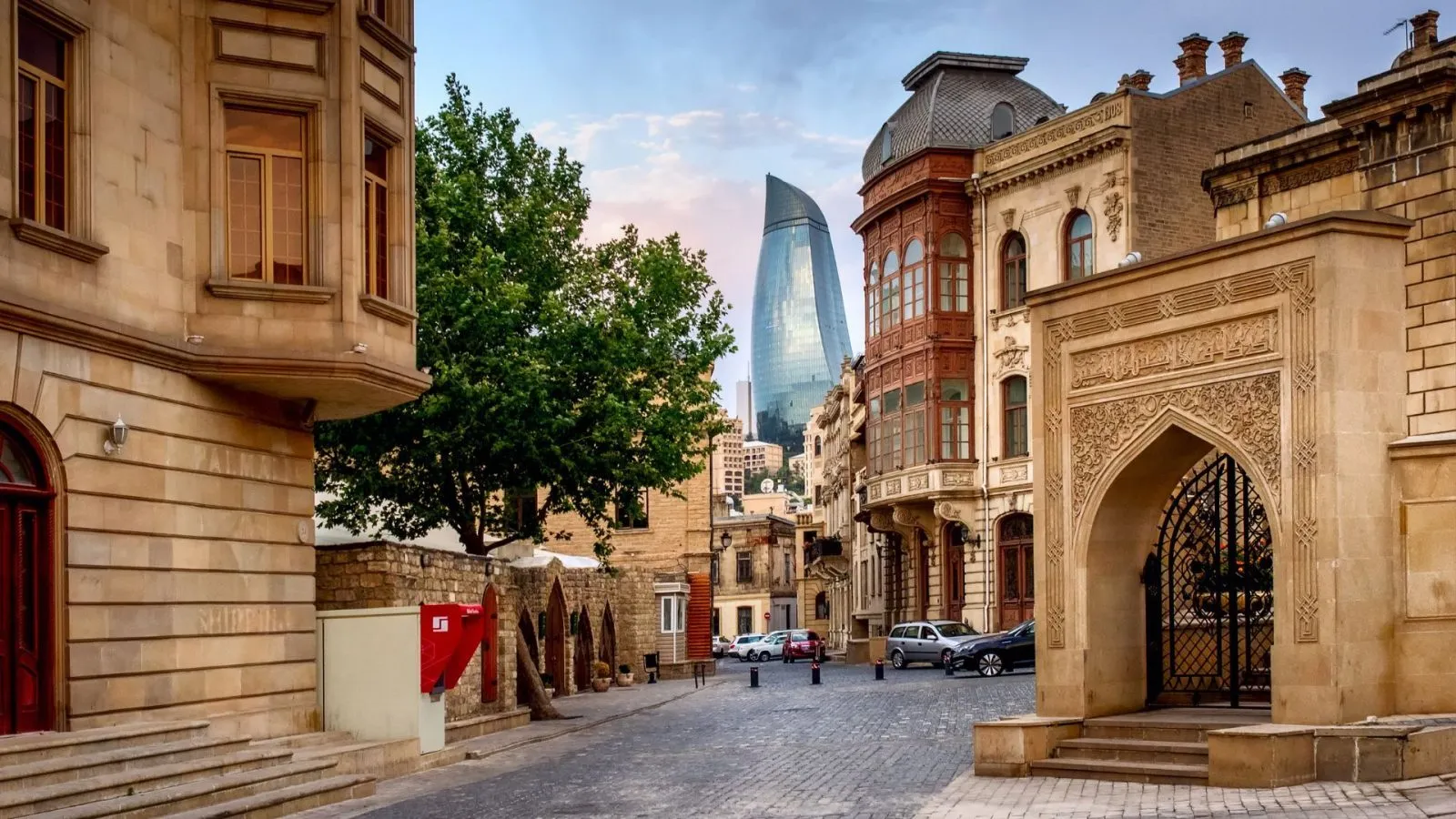
Spices culture in Azerbaijan
Sumac (Sumakh): Sumac is a cornerstone spice in Azerbaijani cuisine, known for its tangy and slightly lemony flavor. It is often used as a garnish for kebabs and pilafs, as well as a key ingredient in sauces and marinades Saffron (Zafran): Saffron is highly prized in Azerbaijani cuisine for its vibrant color and subtle floral flavor. It is generously

Spices culture in Austria
The spice culture in Austria is rich and diverse: Traditional Austrian Cuisine: Uses a blend of European and Mediterranean spices, including paprika, caraway, and coriander. Regional Variations: Different regions have distinct spice preferences, such as the use of juniper berries in the Alps and caraway in the Tyrol. Modern Influences: Contemporary Austrian cuisine incorporates global flavors, blending traditional spices with

Spices culture in Australia
Indigenous Australians used native herbs and spices like lemon myrtle, mountain pepper, and wattleseed for thousands of years . After European colonization, Australian cuisine incorporated more British and Mediterranean influences, though native spices were still used to a limited extent . In the late 20th century, the rise of "Modern Australian cuisine" blended European techniques with Asian flavors, leading
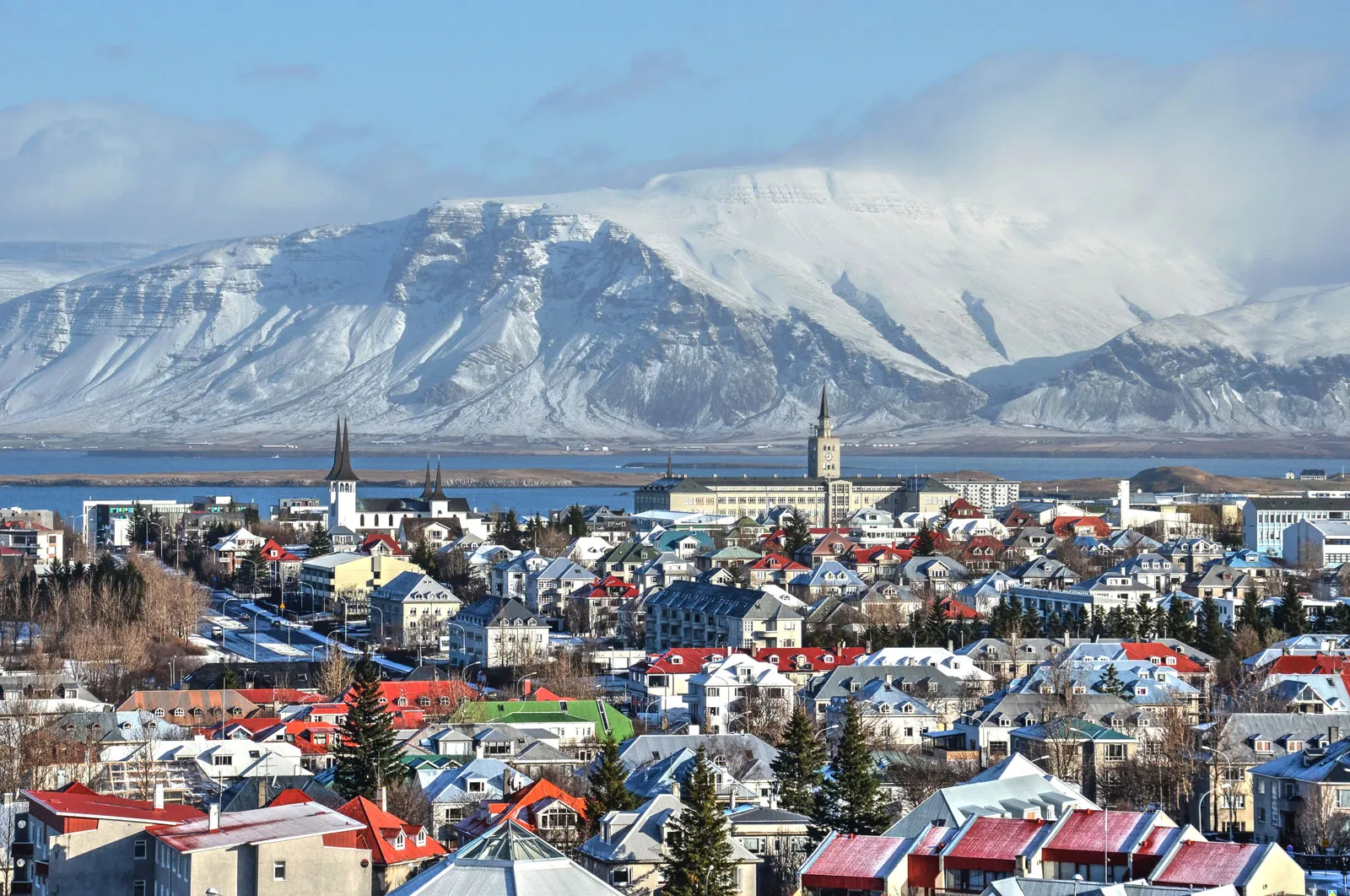
Spices culture in Armenia
Armenians make extensive use of various herbs and spices in their dishes Commonly used spices include black pepper, sumac, cumin, caraway, cardamom, mahleb, clove, anise, curcuma, fennel, fenugreek, blue fenugreek, allspice, ziziphora, saffron, paprika, cayenne, and cinnamon Greens like garlic, spinach, parsley, mint, coriander, dill, summer savory, thyme, tarragon, leek, chive, celery, marjoram, bay leaves, and basil were dried
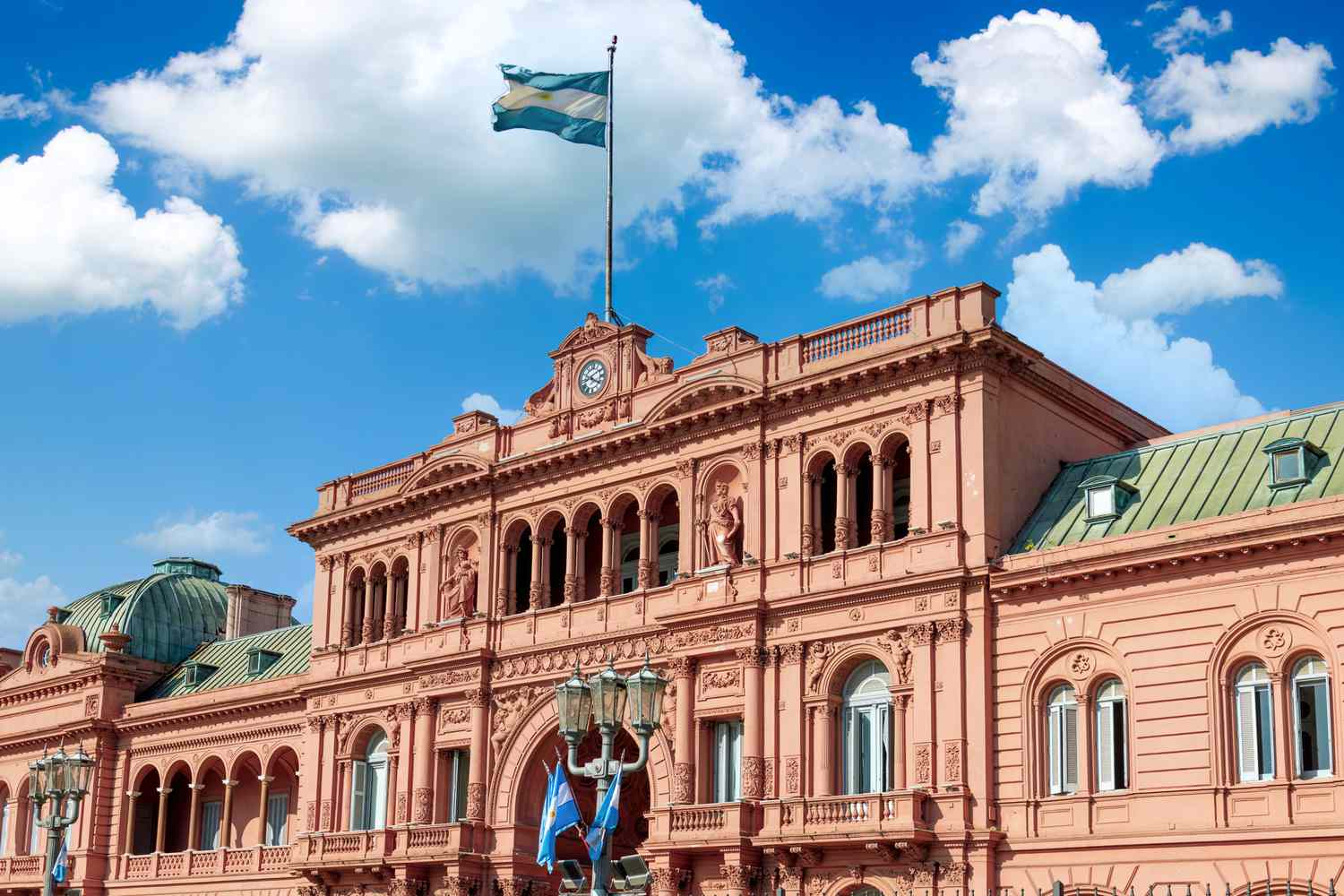
Spices culture in Argentina
Argentine cuisine is heavily influenced by European, particularly Italian and Spanish, culinary traditions, with less emphasis on spices compared to other Latin American countries However, the cuisine of Argentina's northwestern regions reflects indigenous Andean influences, featuring the use of traditional Andean spices and herbs like paprika, cumin, cloves, and saffron Empanadas, a staple Argentine dish, often contain meat seasoned
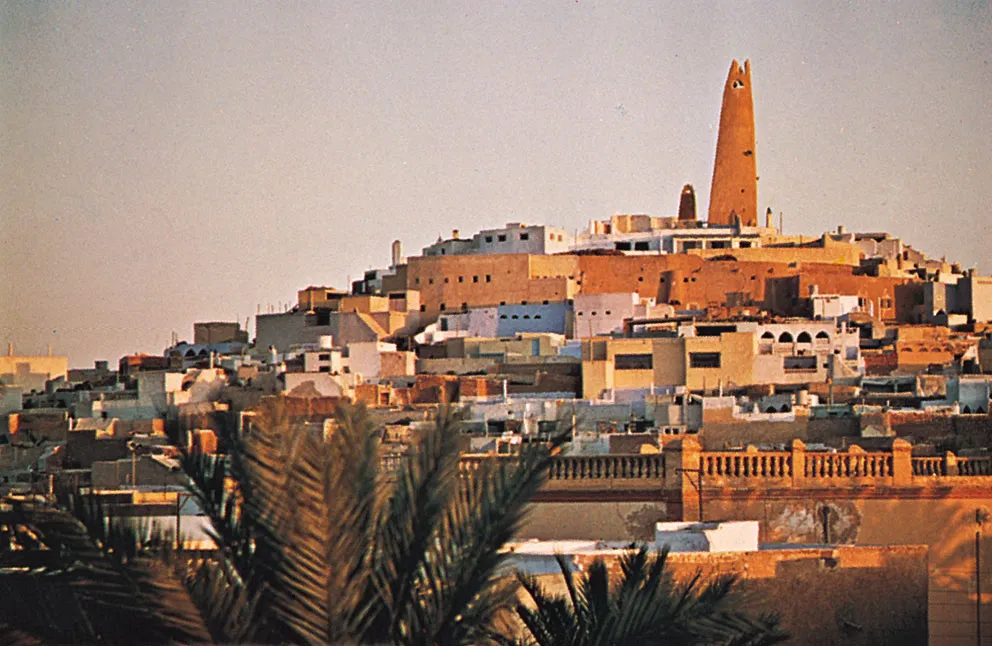
Spices culture in Algeria
Algerian cuisine is characterized by the abundant use of a variety of spices and herbs, including: Key Aspects of Spice Culture in Algeria Cuisine Algerain cuisine features a blend of traditional Mediterranean spices and chili peppers, including garlic, onion, saffron, nutmeg, ginger, cloves, and cinnamon Spices were introduced to Albania through various cultural influences, such as the Arab invasion in the
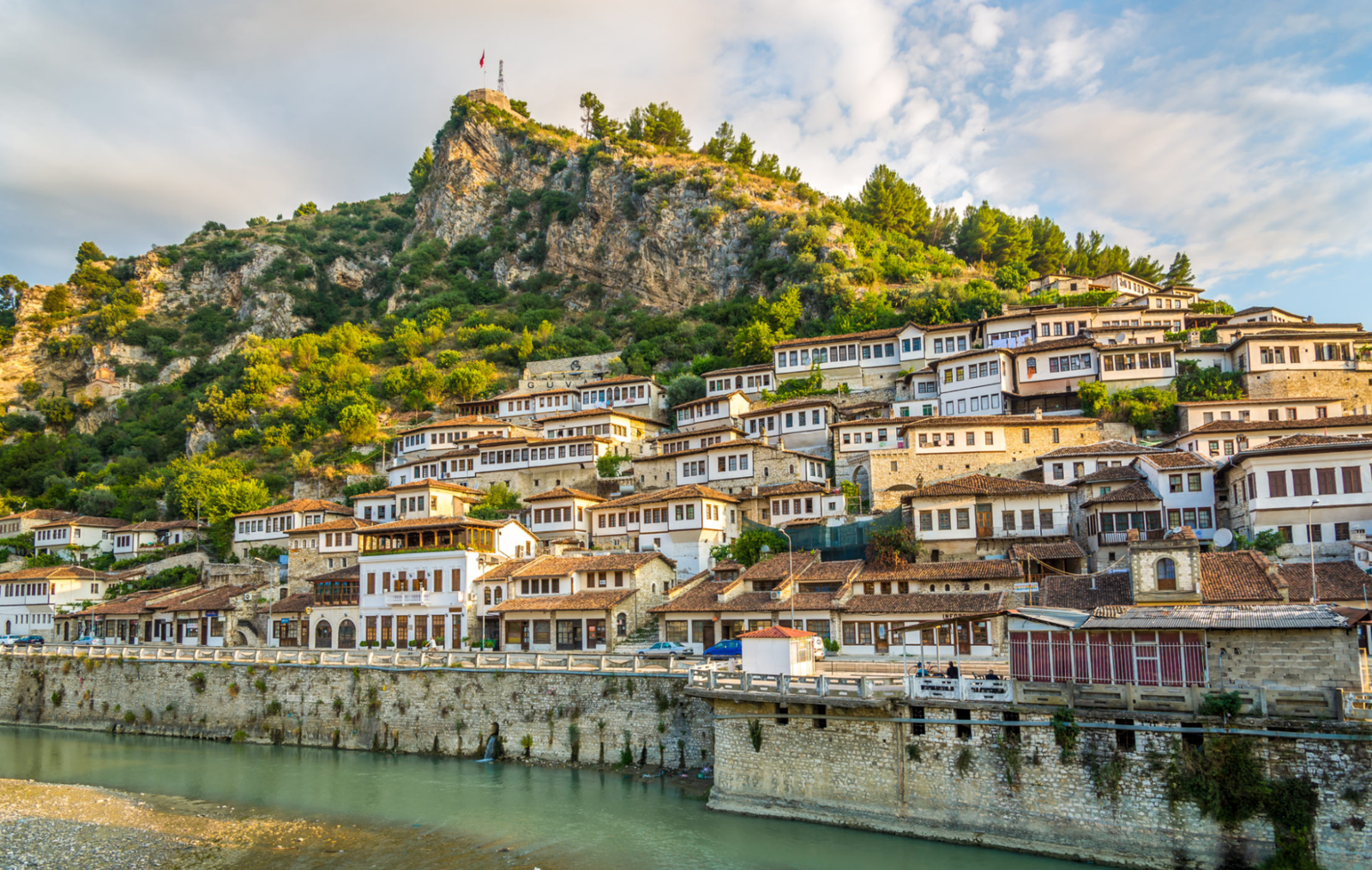
Spices culture in Albania
Albanian cuisine is characterized by the abundant use of a variety of spices and herbs, including: Key Aspects of Albanian Spice Culture Olive oil is the primary cooking fat, used extensively in dishes Common spices and herbs include garlic, onion, oregano, mint, basil, rosemary, and thyme The diverse geography and climate allow for excellent growing conditions for a wide range of
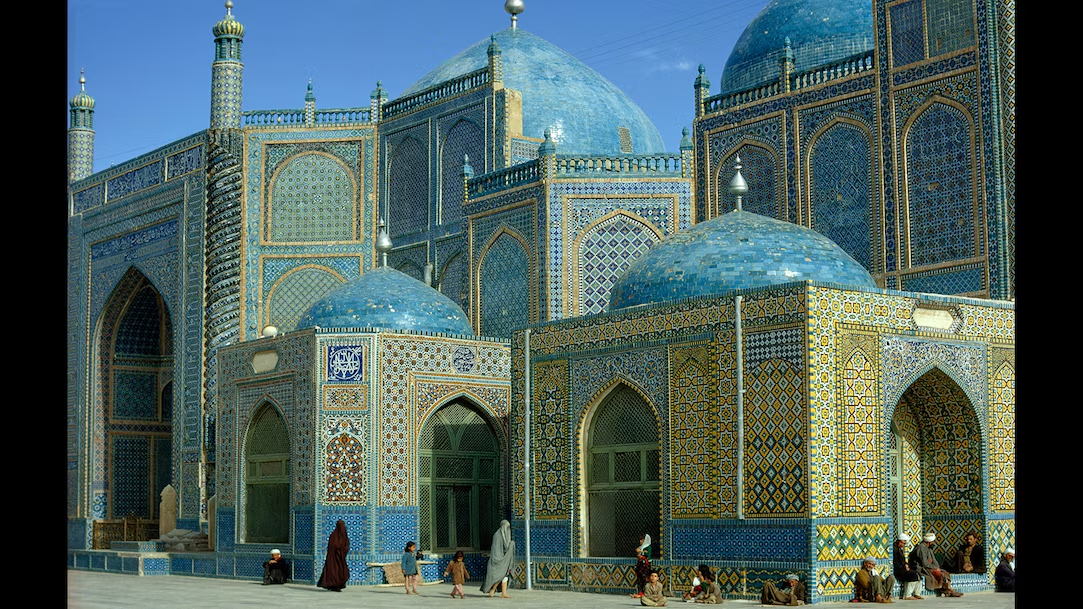
Spices culture in Afghanistan
Afghan cuisine has its own distinct spice culture, influenced by neighboring regions but with unique blends and usage patterns. Key aspects include: Char masala: Afghan version of garam masala, used in dishes like kabuli palaw (national dish), but without chili powder Aromatic spices: Afghans use cumin, cardamom, cinnamon, black pepper, coriander, turmeric, and more, but food is generally not spicy