
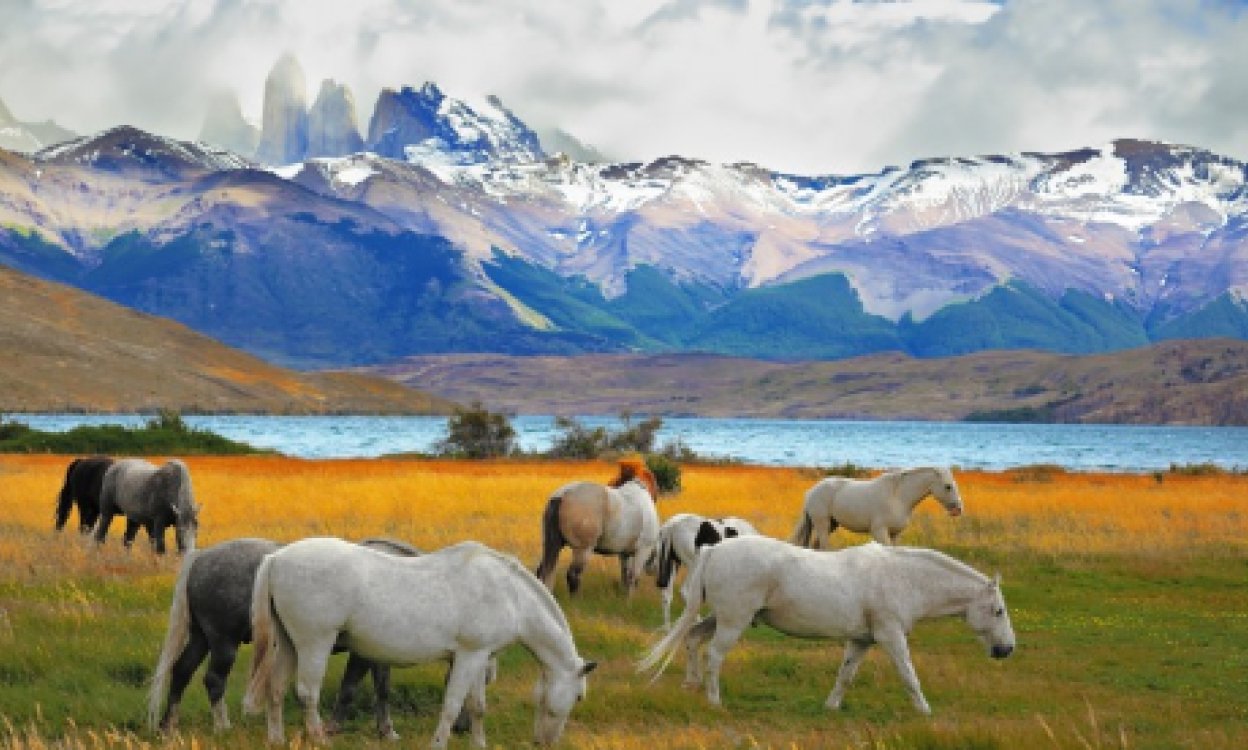
Spices culture in Chile
Chilean cuisine features a diverse array of spices and seasonings, influenced by the country's geography and cultural heritage. Common spices include black pepper, cumin, oregano, paprika, and aji peppers, which are used to add heat and depth of flavor. Unique regional spice blends, such as the smoky merkén from the Mapuche people, are used to season traditional dishes. Coastal

Spices culture in United States
Spices: The US has a diverse spice culture influenced by global cuisines, with popular spices including chili powder, cumin, garlic powder, paprika, and cinnamon. Regional Varieties: Different regions have distinct spice preferences; for example, Cajun cuisine in Louisiana uses spices like cayenne pepper and paprika, while Tex-Mex cuisine in Texas uses chili powder and cumin. Influence of Immigration: The spice culture in
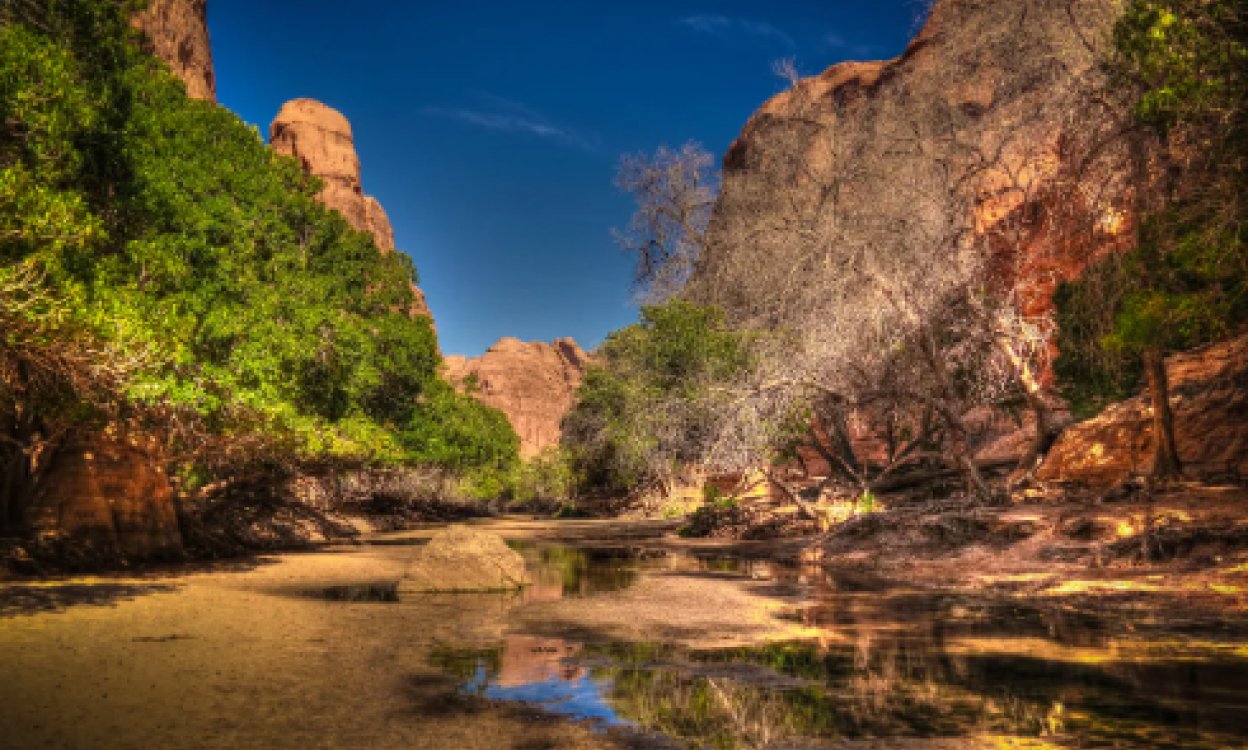
Spices culture in Chad
Chad's spice culture is a reflection of its diverse ethnic influences and geographic location. Common spices include chili peppers, ginger, garlic, cumin, coriander, cloves, and a variety of local herbs. Unique regional spice blends, such as the peppery Kanda seasoning from the south, are used to flavor traditional dishes. Smoked and dried spices are often used to preserve meats
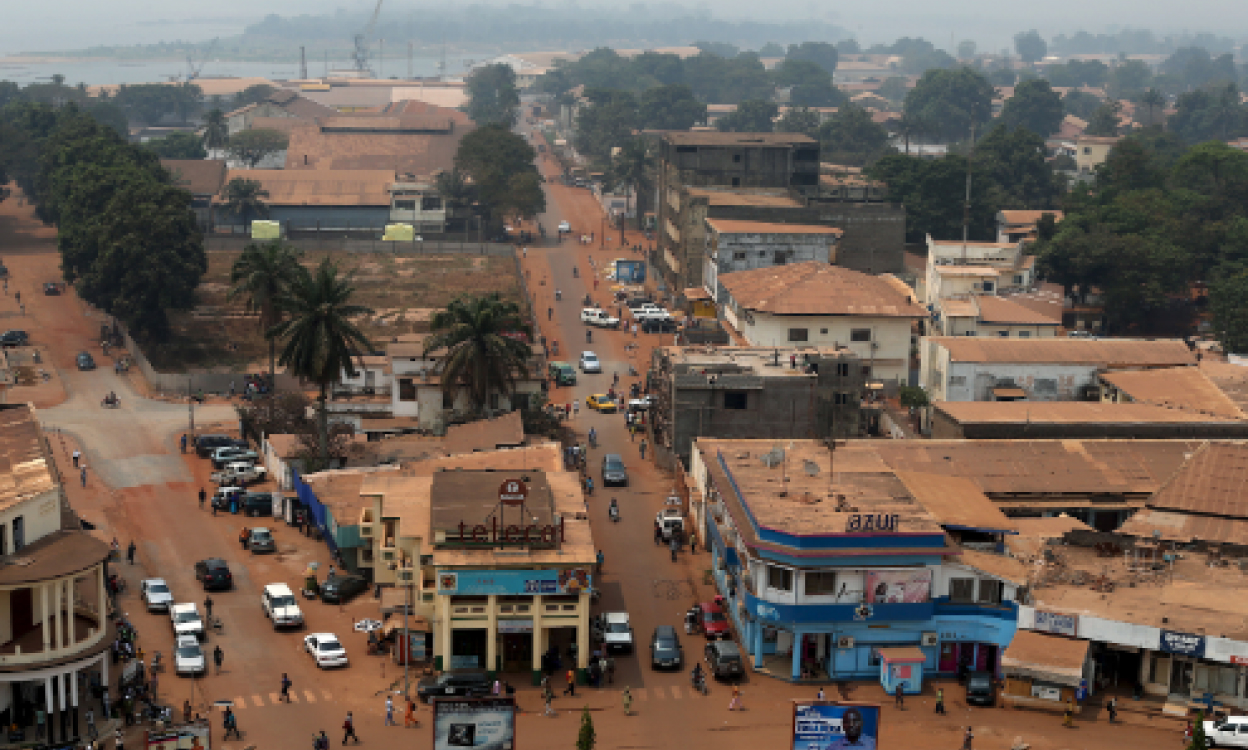
Spices culture in Central African Republic
The Central African Republic's spice culture is heavily influenced by its tropical climate and diverse ethnic groups. Common spices include chili peppers, ginger, garlic, coriander, cumin, cloves, and various local herbs. Unique regional spice blends, such as the peppery Kanda seasoning, are used to flavor traditional dishes. Smoked and dried spices are often used to preserve meats and fish,

Spices culture in Uruguay
Spices: Uruguayan cuisine uses spices like oregano, paprika, bay leaves, and garlic. Asado: Central to Uruguayan cuisine is the asado (barbecue), where meats are often marinated or seasoned with a mix of spices before grilling. Cultural Importance: Spices play a crucial role in enhancing the flavors of traditional dishes like chivito (steak sandwich), empanadas, and choripán (sausage sandwich). Spices and seasoning in Uruguay:

Spices culture in Vanuatu
Kava (Piper methysticum): Vanuatu is known for its traditional use of kava, a plant native to the South Pacific. Kava is used in ceremonies and social gatherings, often consumed for its relaxing and mildly sedative effects. Coconut: Coconut is widely used in Vanuatu for cooking as well as for its water and milk. It's an essential ingredient in many dishes and

Spices culture in Canada
Canadian cuisine features a diverse array of spices and seasonings, influenced by the country's multicultural population. Common spices include black pepper, chili peppers, garlic, onion, paprika, cumin, coriander, and various herbs. Regional specialties like Maple Syrup, Poutine, and Butter Tarts incorporate unique spice blends and flavors. Indigenous communities utilize wild-harvested spices and herbs, such as Labrador Tea and Sweetgrass,

Spices culture in Vatican City
Italian Cuisine Influence: While Vatican City itself is very small and does not have a distinct spice culture, it is heavily influenced by Italian cuisine. Herbs and Flavors: Italian herbs such as basil, oregano, and rosemary are commonly used in dishes prepared within the Vatican. Traditional Italian Dishes: Dishes like pasta, pizza, and risotto are prevalent, often seasoned with a variety of
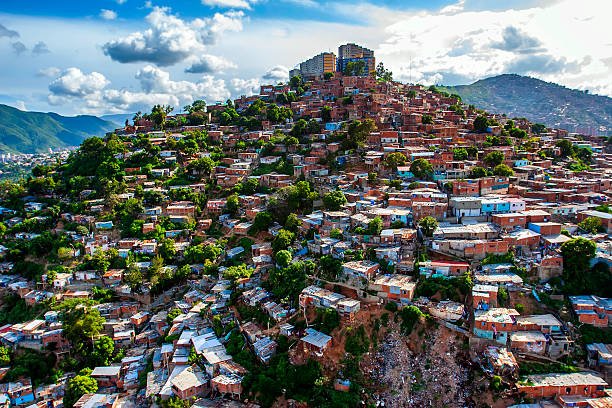
Spices culture in Venezuela
Aji Dulce: This sweet pepper is a staple in Venezuelan cuisine, adding mild heat and flavor to many dishes. Cilantro and Garlic: These are commonly used herbs in Venezuelan cooking, adding freshness and depth of flavor to dishes. Plantains: While not a spice, plantains are a crucial ingredient in Venezuelan cuisine, often used in savory dishes and desserts. Hallacas:

Spices culture in Cameroon
Cameroon's spice culture reflects a diverse blend of African, European, and global influences. Common spices include turmeric, ginger, chili peppers, coriander, cumin, cardamom, cinnamon, cloves, and bay leaves. Regional specialties like Ndolé (spicy stew with bitterleaf greens, meat, shrimp, and peanut paste) and Koki (black-eyed peas with red palm oil) showcase unique spice combinations. Wild spices sourced from local