

Spices culture in Taiwan
Taiwanese cuisine is heavily influenced by its geographic location as an island, leading to a strong emphasis on seafood. Common ingredients include pork, seafood, chicken, rice, and soy. Rice is a staple and the Taiwanese generally prefer short-grain, aromatic, and slightly sweet varieties. Typical spice mixes used in Taiwanese cuisine are five-spice powder and hujiaoyan (a blend of white
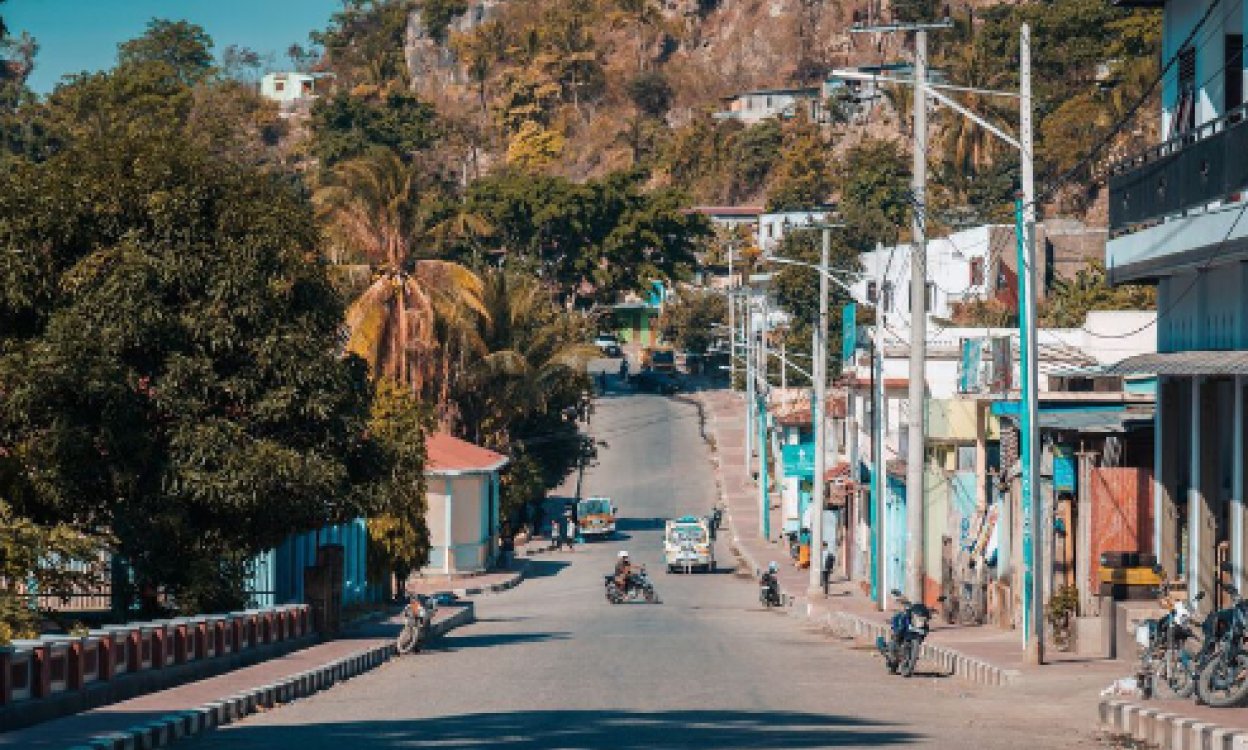
Spices culture in East Timor (Timor-Leste)
East Timorese cuisine features a blend of Portuguese, Indonesian, and indigenous influences, reflected in its spice palette. Common spices include chili peppers, turmeric, ginger, shallots, garlic, coriander, and lemongrass. Unique regional spice blends, such as the Ikan Pepes seasoning, combine these ingredients to create complex flavors. Spices are often used in the preparation of iconic East Timorese dishes, like

Spices culture in Tajikistan
Tajik cuisine is heavily influenced by its Central Asian neighbors, particularly Uzbekistan and Iran. Common ingredients include lamb, rice, wheat, vegetables, and dairy products. Spices commonly used in Tajik cuisine include cumin, coriander, black pepper, saffron, and barberries. Plov, a rice dish cooked with meat, carrots, and spices, is a national dish of Tajikistan. Lagman, a type of hand-pulled noodle dish, is also a
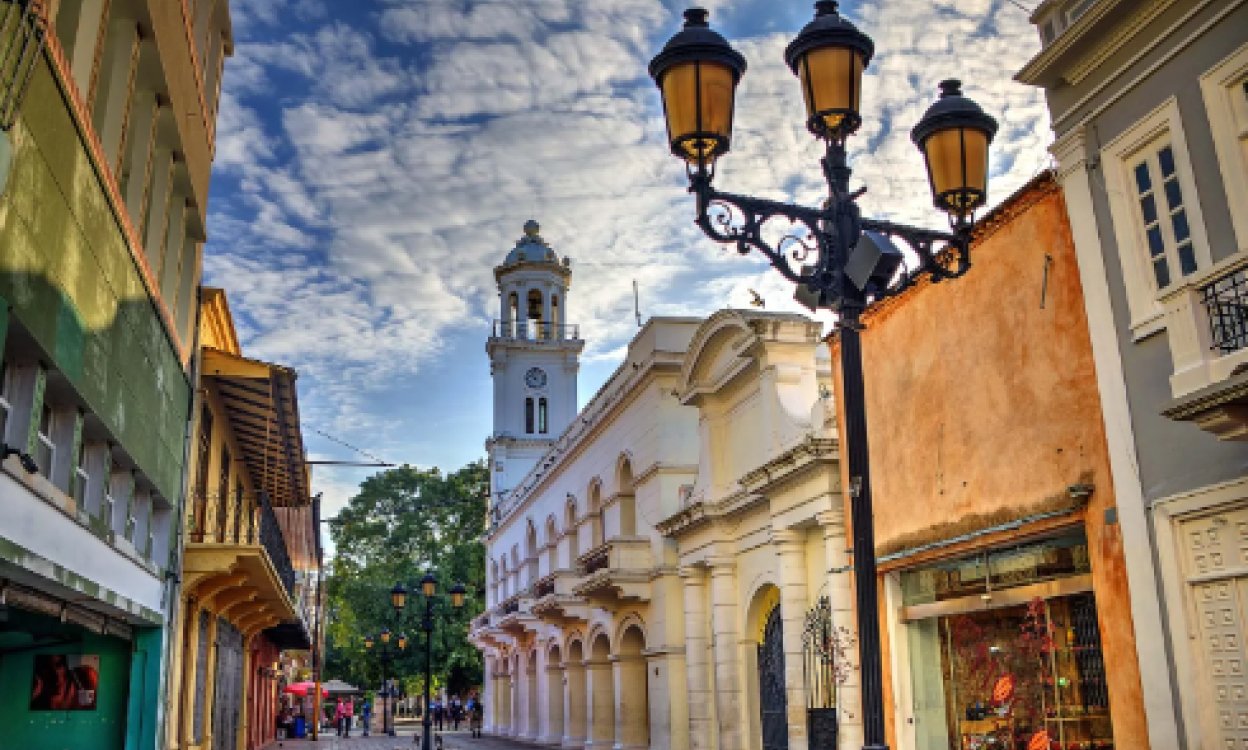
Spices culture in Dominican Republic
The Dominican Republic has a diverse culinary culture that blends Spanish, indigenous Taíno, African, and Middle Eastern influences. The most common spices used in Dominican cuisine include: Chile powder Cumin Oregano Garlic These spices are used to season a variety of traditional dishes, such as the rice, bean, and meat dish known as "La Bandera" (The Flag). Dominican cuisine also makes use of local herbs

Spices culture in Dominica
Dominica's spice culture reflects the island's rich history and diverse cultural influences, including African, European, and indigenous Carib traditions. Common spices used in Dominica include allspice, cloves, cinnamon, nutmeg, ginger, and a variety of chili peppers, such as the Scotch Bonnet. Unique regional spice blends, like the Creole Seasoning, incorporate these local spices to create complex and flavorful seasonings.
Spices culture in Djibouti
Djibouti's spice culture is heavily influenced by its diverse cultural heritage, including African, Arab, and French culinary traditions. Common spices used in Djiboutian cuisine include cumin, coriander, cinnamon, cloves, cardamom, and a variety of chili peppers. Unique regional spice blends, such as the Yemeni-inspired Hawaij, are used to season traditional dishes like Laxoox (flatbread) and Maraq (stew). Spices are

Spices culture in Tanzania
Tanzanian cuisine is diverse, reflecting the country's many ethnic groups and cultural influences. Common ingredients include ugali (a stiff maize porridge), rice, beans, vegetables, and meat (particularly beef, goat, and chicken). Spices and seasonings commonly used in Tanzanian cooking include cumin, coriander, cardamom, cloves, cinnamon, and chili peppers. Coconut milk is a common ingredient, especially in coastal regions, and is used to flavor
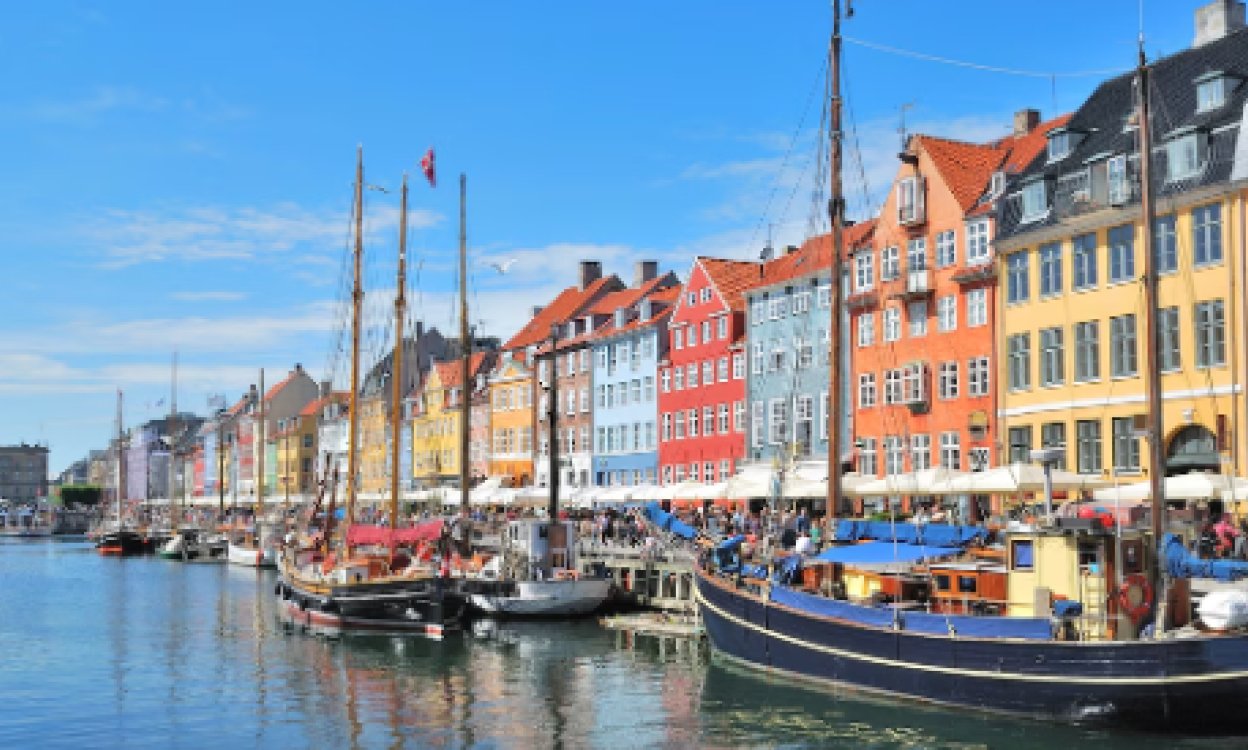
Spices culture in Denmark
Danish cuisine features a relatively limited use of spices compared to many other cuisines, reflecting the country's historical reliance on local, seasonal ingredients. Common spices include black pepper, white pepper, caraway seeds, dill, and various Nordic herbs like thyme, rosemary, and bay leaves. Unique regional spice blends, such as the Scandinavian four-spice mix (containing cinnamon, cloves, ginger, and white

Spices culture in Thailand
Thai cuisine is renowned for its bold flavors, with a balance of sour, sweet, salty, and spicy elements. Common ingredients include rice, noodles, fish, seafood, poultry, fresh herbs and vegetables, and a variety of spices. Spices commonly used in Thai cooking include lemongrass, galangal, kaffir lime leaves, chilies, shallots, garlic, and shrimp paste. Thai curries, such as red, green, and yellow curries, are

Spices culture in Czech Republic
Caraway seeds (kmín) are the most famous Czech spice, used in breads, sauces, soups, sauerkraut, and meat dishes Other common spices include garlic, bay leaves, allspice, black pepper, and spices for sweet baking like cloves, cinnamon, nutmeg, and vanilla Paprika, both sweet and hot, is key in goulash and goulash soup Juniper berries (jalovec) are used with game meat