
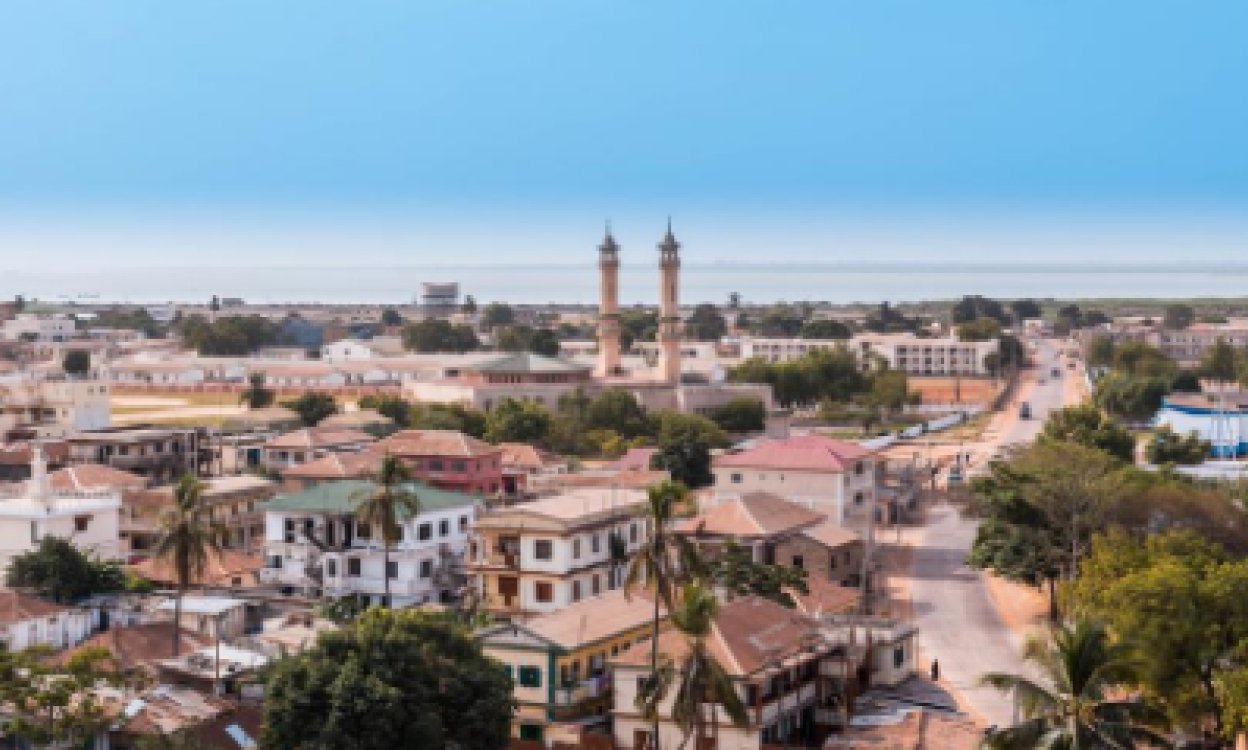
Spices culture in The Gambia
Uses local spices like ginger, chili peppers, and cloves in cooking. Groundnut (peanut) stew is a signature dish, flavored with cumin and coriander. Hibiscus leaves (bissap) are used for making a tangy drink. Influenced by Senegalese cuisine, featuring thyme and parsley in dishes. Traditional spice blends like benachin spice mix enhance rice dishes and stews. Spices and seasoning in The
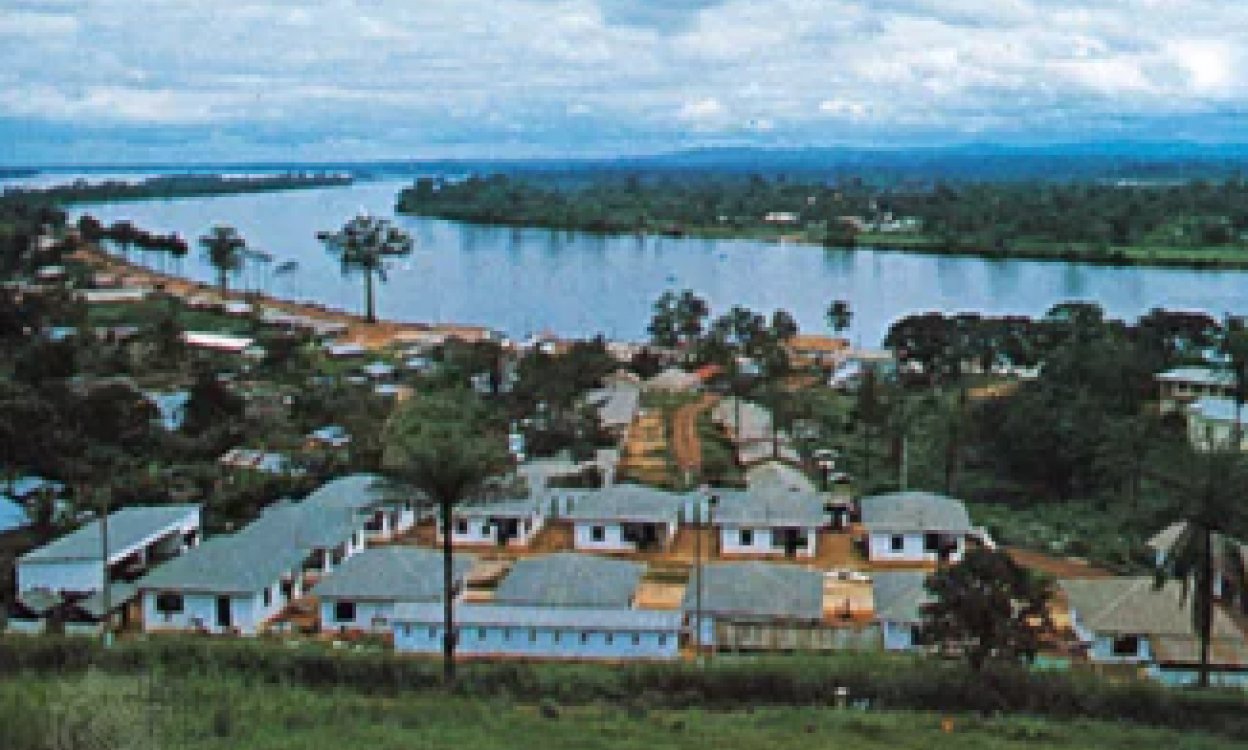
Spices culture in Gabon
Relies heavily on local herbs like basil, wild ginger, and bay leaves. Incorporates piper guineense (West African black pepper) in various dishes. Diverse seafood dishes seasoned with tamarind and lemongrass. Palm oil is a staple for cooking, adding richness and flavor. Traditional dishes often include plantains and cassava, seasoned with nutmeg and cloves. Spices and seasoning in Gabon: The cuisine of
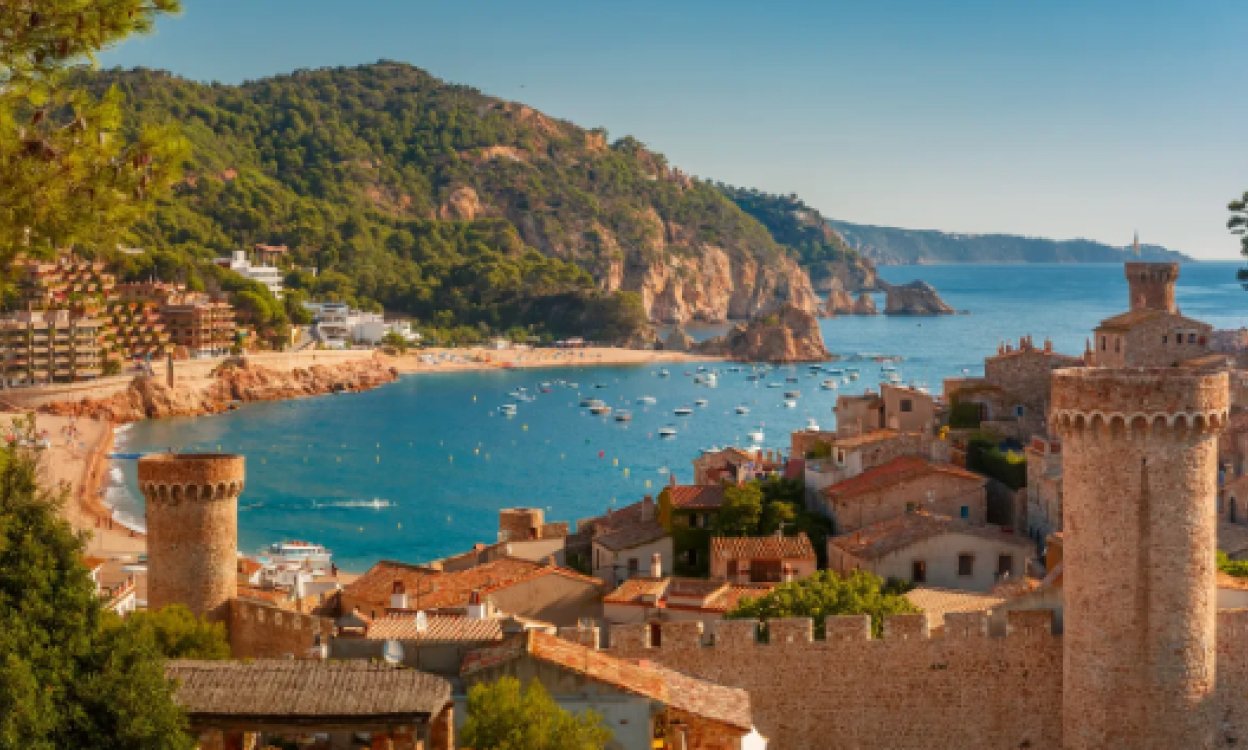
Spices culture in Spain
Uses spices such as saffron, paprika, and garlic in dishes like paella and chorizo. Spice markets (mercados) are cultural hubs where locals purchase spices and herbs for cooking. Spanish cuisine reflects diverse regional spice blends influenced by Mediterranean and Moorish traditions. Spices and seasoning in Spain: Cinnamon (Canela): Used in desserts like arroz con leche (rice pudding) and crema catalana (Catalan creme brulee). Paprika (Pimentón):

Spices culture in France
French cuisine features a diverse array of spices and seasonings, influenced by the country's geographic location and cultural heritage. Common spices include black pepper, thyme, rosemary, bay leaves, garlic, and a variety of herbs de Provence blends. Unique regional spice blends, such as the quatre épices (four spices) from northern France, are used to flavor traditional dishes. Spices are
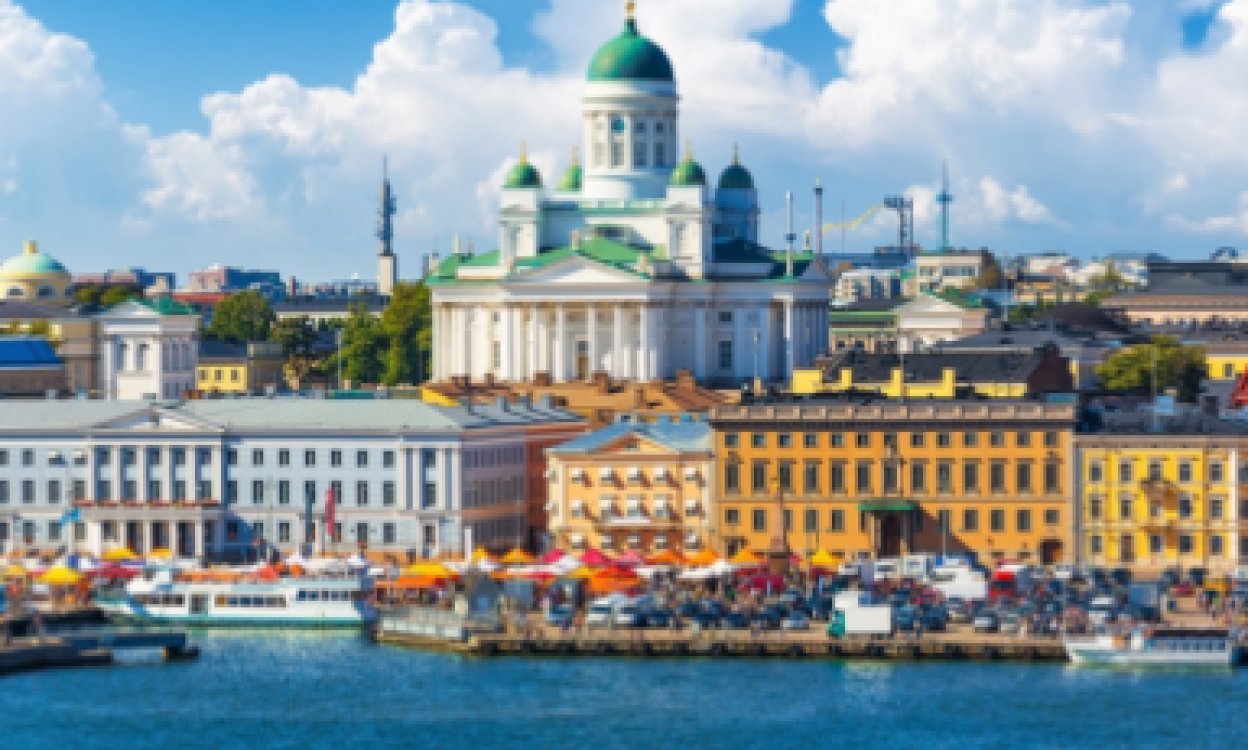
Spices culture in Finland
Finnish cuisine features a limited use of spices compared to many other cuisines, reflecting the country's historical reliance on local, seasonal ingredients. Common spices include black pepper, allspice, caraway seeds, and various Nordic herbs like dill, parsley, and bay leaves. Unique regional spice blends, such as the Karelian spice mix used in Karelian pies, are used to flavor traditional
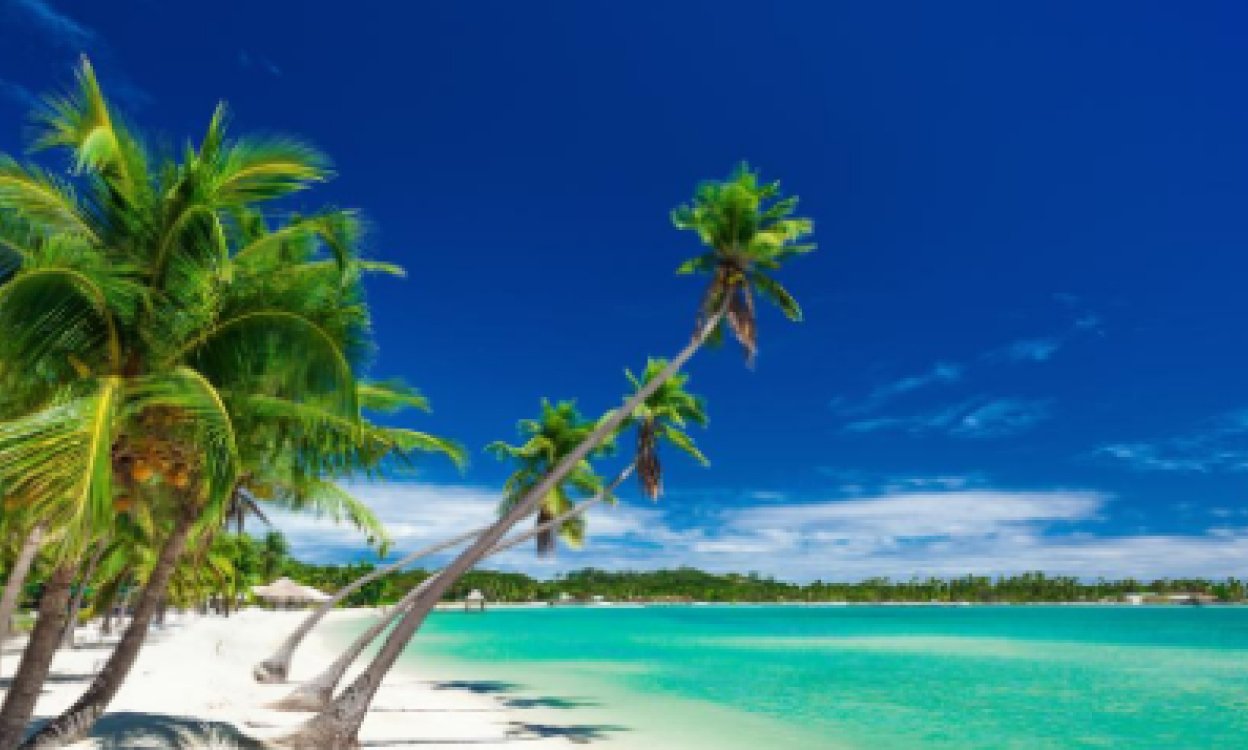
Spices culture in Fiji
Fiji's cuisine features a blend of Melanesian, Indian, Chinese, and European influences, reflected in its spice palette. Common spices include chili peppers, ginger, turmeric, coriander, cumin, and a variety of curry powders. Unique regional spice blends, such as the Fijian curry powder, combine these ingredients to create complex and flavorful seasonings. Spices are often used in the preparation of
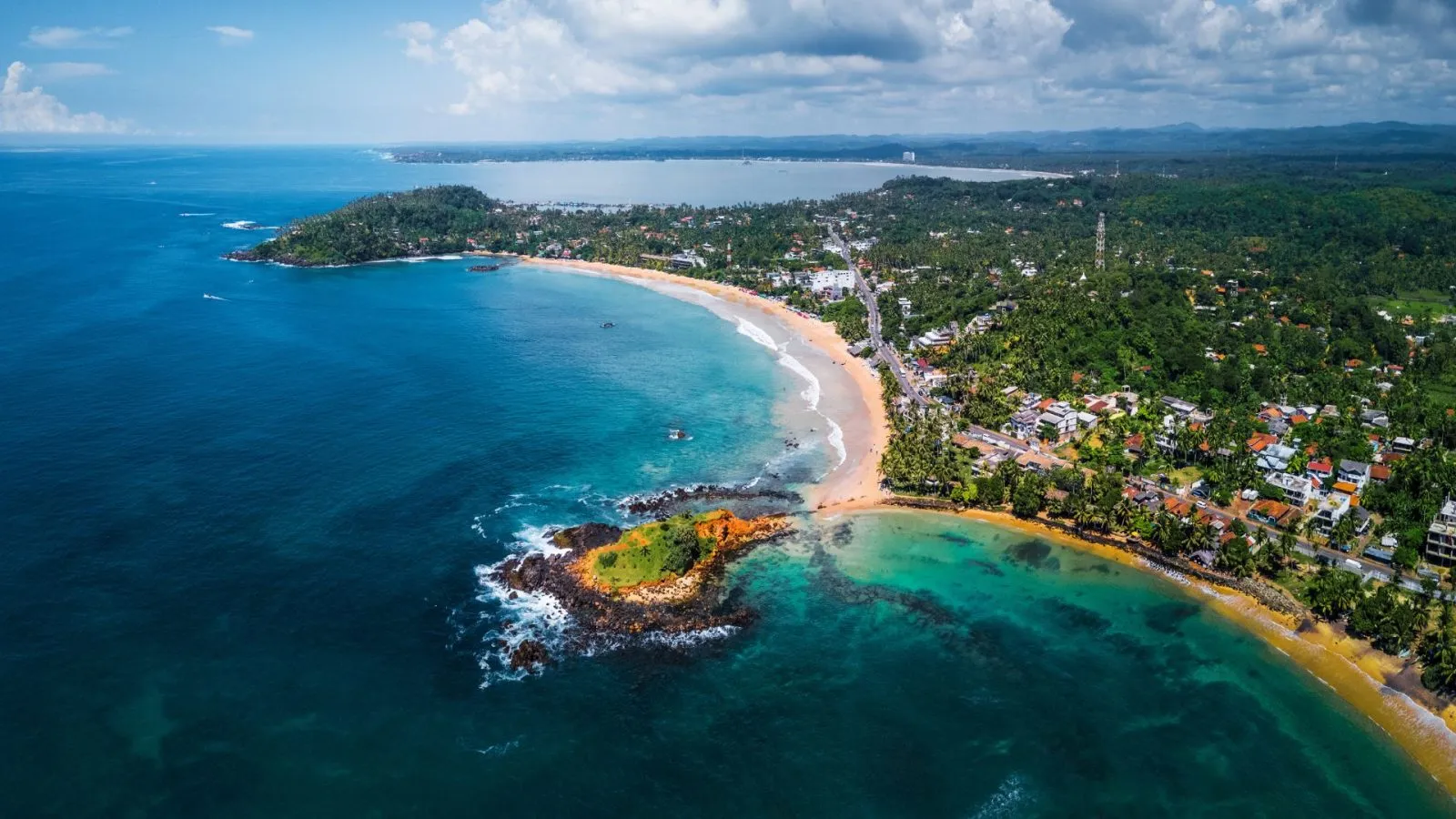
Spices culture in Sri Lanka
Renowned for spices such as cinnamon, cardamom, and cloves, historically cultivated on plantations. Spices are integral to Sri Lankan dishes like rice and curry, where spice blends (masalas) vary by region and family. Spice gardens and markets offer tours and products showcasing the island's spice heritage. Spices and seasoning in Sri Lanka: Cinnamon (Kurundu): Essential in curries and rice dishes. Black Pepper (Gammiris): Adds heat
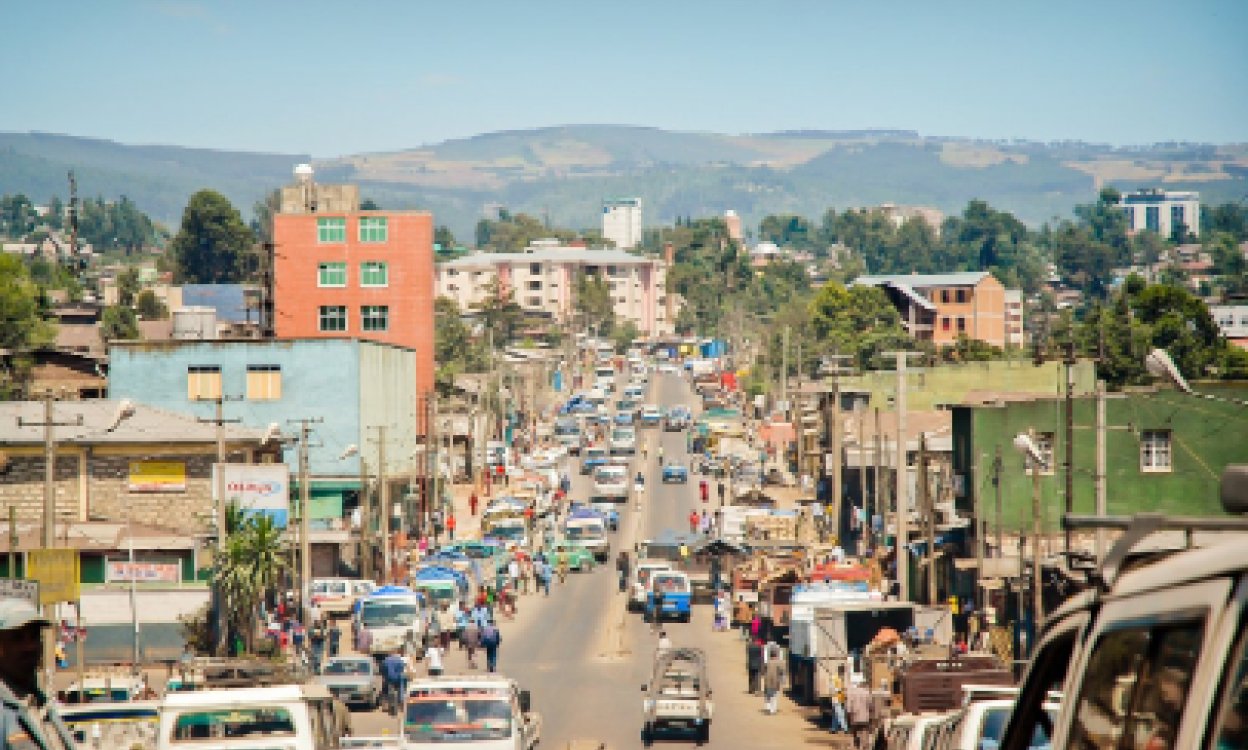
Spices culture in Ethiopia
Ethiopian cuisine features a blend of African, Middle Eastern, and Mediterranean influences, reflected in its spice palette. Common spices include berbere (a spice blend containing chili peppers, garlic, ginger, and various other spices), cumin, coriander, and cardamom. Unique regional spice blends, such as the Mitmita from the Amhara region, are used to season traditional dishes. Spices are often used

Spices culture in Sudan
Uses spices such as ginger, garlic, and coriander in dishes like ful medames (stewed fava beans) and kofta. Spices play a role in Sudanese cuisine, enhancing flavors in meat, legumes, and bread. Markets feature a variety of locally sourced spices alongside grains and fresh produce Spices and seasoning in Sudan : Cumin: Popular in stews, soups, and rice dishes. Dill and Coriander: Common garnishes. Ful Medames:
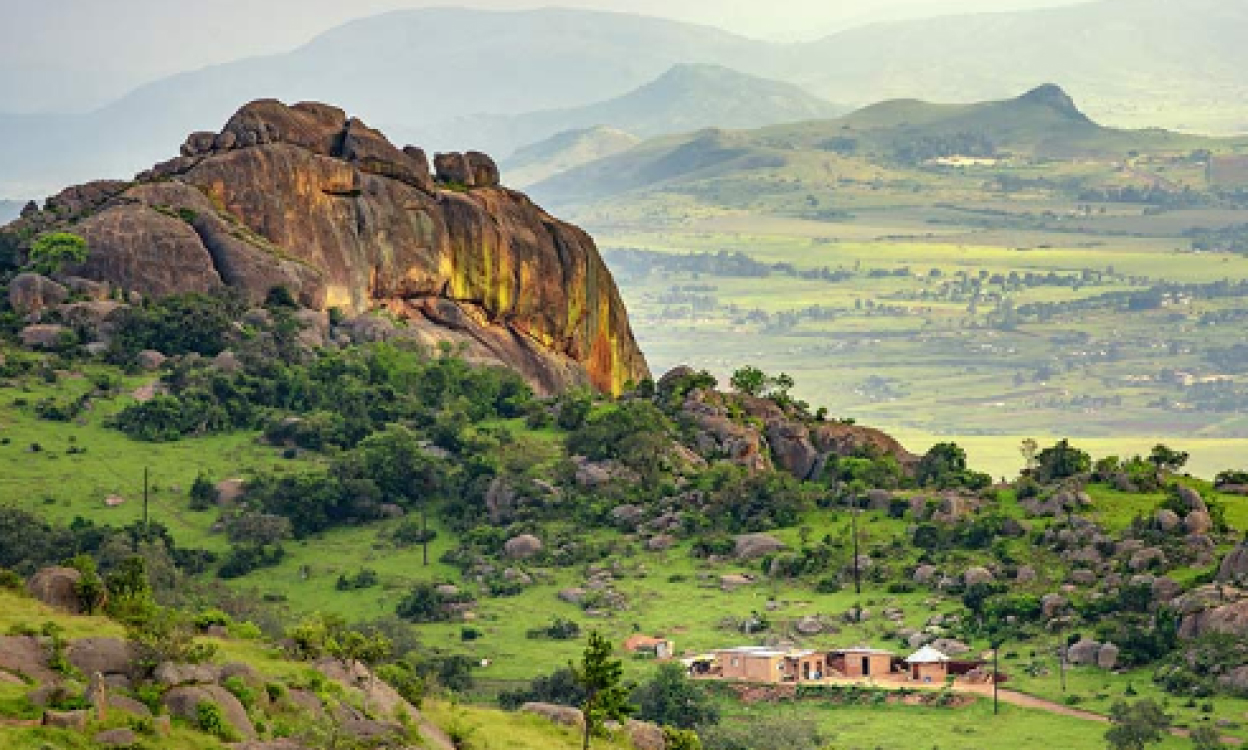
Spices culture in Eswatini
Swazi cuisine features a blend of African and European influences, reflected in its spice palette. Common spices include chili peppers, ginger, garlic, onion, cumin, and coriander. Unique regional spice blends, such as the Umcaba from the Swazi ethnic group, combine these ingredients to create complex and flavorful seasonings. Spices are often used in the preparation of iconic Swazi dishes,