

Spices culture in Seychelles
Famous for spices like cinnamon, vanilla, and nutmeg, historically grown on plantations. Spices are integral to Creole cuisine, enhancing dishes like grilled fish and coconut curries. Spice tours and markets provide insights into the Seychellois spice heritage. Spices and seasoning in Seychelles: Coconut Milk and Coconut Oil: Essential ingredients in Seychellois cuisine. Local Curry Powder (Masala): Contains spices like turmeric, cumin, and coriander. Fish and Seafood:

Spices culture in Hungary
Spice Palette: Hungarian cuisine is famed for its robust use of paprika. Key Ingredients: Paprika (both sweet and hot), caraway seeds, and garlic are staples. Iconic Dishes: Goulash and paprikash derive their distinctive flavors from paprika. Culinary Techniques: Spices are often ground and mixed with fat to intensify flavors. Cultural Heritage: Paprika symbolizes Hungary's culinary identity and its influence
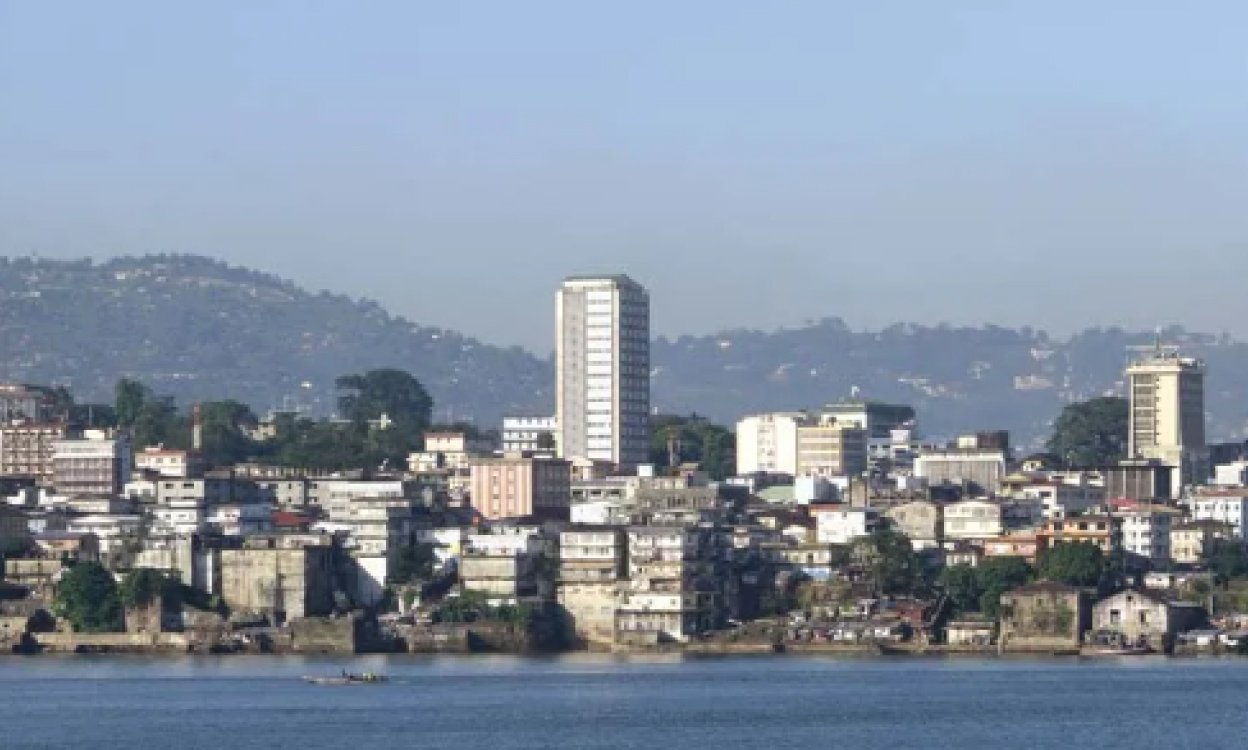
Spices culture in Sierra Leone
Known for spices such as ginger, pepper, and cloves. Spices are used in traditional dishes like cassava leaves and jollof rice. Local markets offer a variety of fresh and dried spices alongside other culinary essentials. Spices and seasoning in Sierra Leone: Ginger, Garlic, Chili Peppers, Thyme, and Allspice: Commonly used in stews, soups, and curries, with a combination of meats and seafood. Coconut milk

Spices culture in Honduras
Rich Diversity: Honduran cuisine reflects a mix of Spanish, African, and indigenous Lenca traditions. Popular Spices: Cumin, cloves, and cilantro are common in Honduran dishes. Local Ingredients: Fresh herbs like mint and oregano add depth to many dishes. Traditional Dishes: Spices are used in baleadas (flour tortillas with various fillings) and carne asada. Regional Variations: Coastal regions incorporate seafood,
Spices culture in Haiti
Essential Flavors: Haitian cuisine blends African, French, and indigenous Taíno influences. Key Spices: Common spices include cloves, cinnamon, and thyme. Seasoning Staples: Garlic, peppers (like Scotch bonnet), and shallots are frequently used. Culinary Use: Spices are integral to dishes like griot (fried pork) and diri ak djon djon (rice with black mushrooms). Cultural Significance: Spices symbolize the vibrant cultural
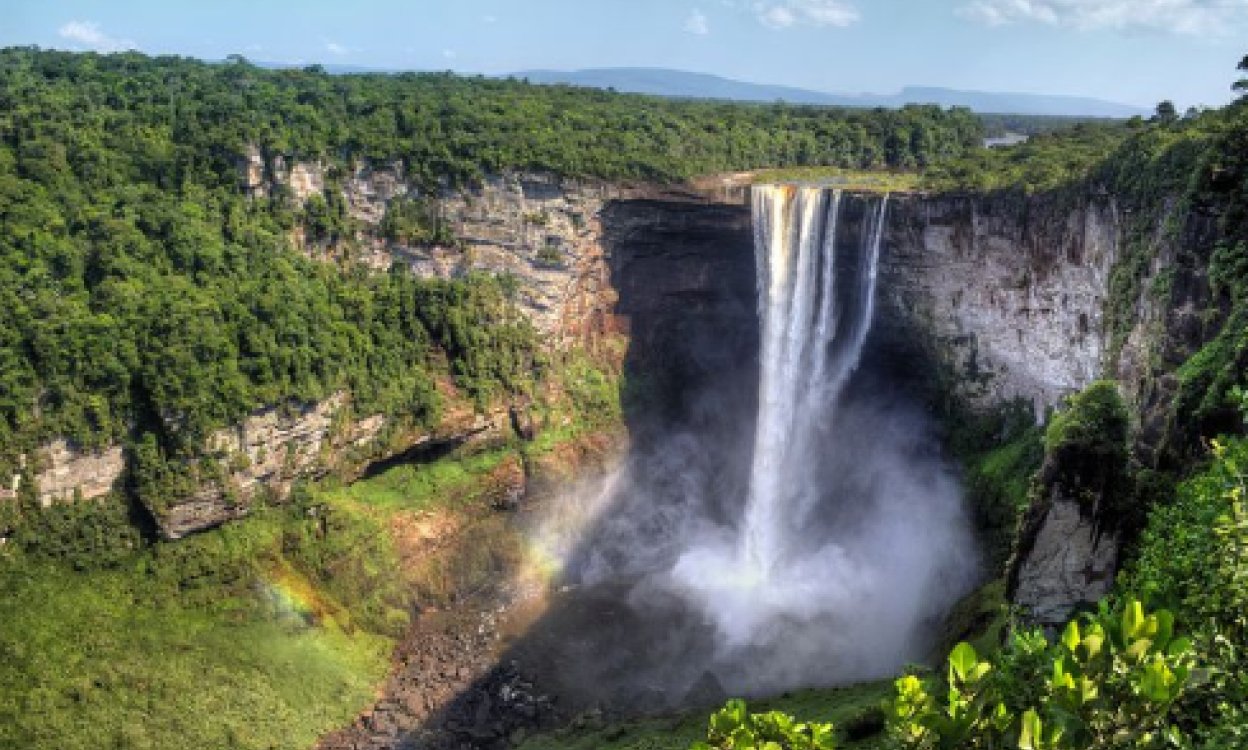
Spices culture in Guyana
Guyana's culinary tradition reflects its diverse cultural heritage: African influences: Pepper Pot, Metemgee, and Cow-heel soup are popular dishes with African roots Indian influences: Curry is widely used, and dishes like roti and dhal puri are popular Portuguese and Dutch influences: Portuguese and Dutch colonizers introduced spices like turmeric, cinnamon, and allspice British influences: British colonizers brought spices like nutmeg, cloves, and bay leaves Local
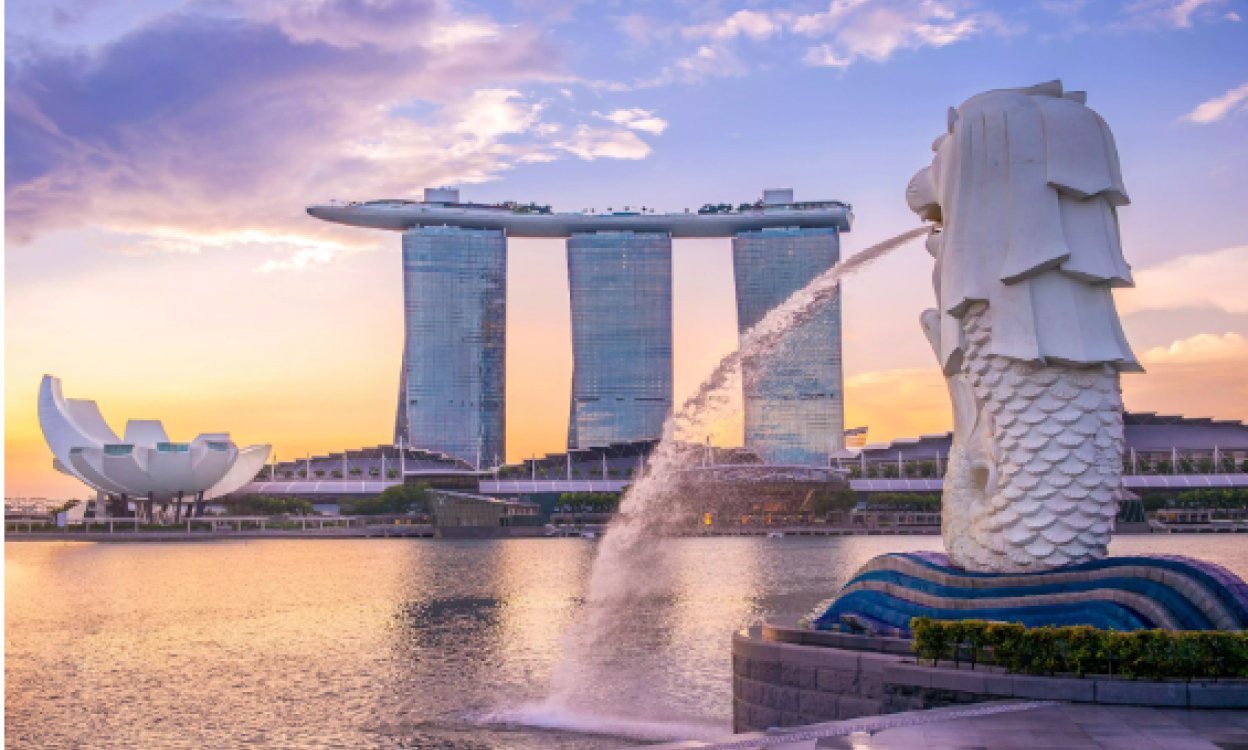
Spices culture in Singapore
A melting pot of culinary influences, using spices such as turmeric, coriander, and chili in dishes like laksa and chicken rice. Spice markets and specialty stores offer a wide range of spices from Southeast Asia and beyond. Spices are essential in both street food and high-end restaurant cuisine. Spices and seasoning in Singapore: Sichuan Pepper: Mouth-numbing nuggets that accentuate the use of peppers in

Spices culture in Guinea-Bissau
Guinea-Bissau's spice culture reflects its diverse culinary influences: Chili peppers - Provide heat and depth of flavor to many dishes Ginger - Adds a warm, aromatic note to stews, sauces, and marinades Garlic - An essential ingredient, lending savory complexity Onions - Contribute sweetness and balance to spicy preparations Spice blends - Spicy flavor seasoning mixes are commonly used Dried herbs and spices - Include asafetida,
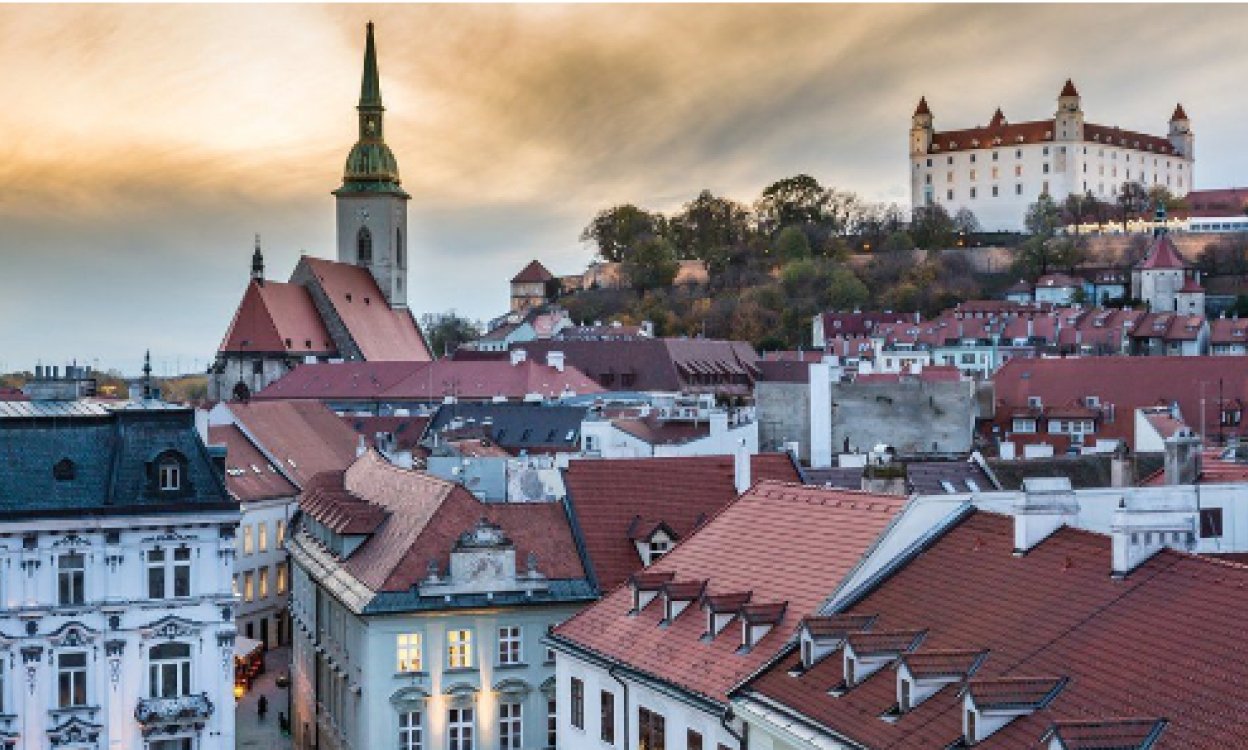
Spices culture in Slovakia
While not a major spice producer, it uses staples like paprika, caraway seeds, and garlic. Spices are integral to Slovakian dishes such as bryndzové halušky (potato dumplings with sheep cheese). Local markets feature a variety of spices for traditional cooking and baking. Spices and seasoning in Slovakia: Paprika: Ground smoked paprika is a staple spice, adding warmth and flavor to Slovak dishes. Caraway Seeds: Commonly

Spices culture in Guinea
The cuisine of Guinea features a diverse array of spices and seasonings that reflect its West African heritage: Chili peppers - Provide heat and depth of flavor to many Guinean dishes Ginger - Adds a warm, aromatic note to stews, sauces, and marinades Garlic - An essential ingredient, lending savory complexity Onions - Contribute sweetness and balance to spicy preparations Peanuts - Used to make