
Spices culture in Poland
Traditional Polish cuisine has a relatively modest use of spices, with a focus on simple, natural flavors. Common spices and seasonings used in Polish cooking include: Black pepper: Widely used to season meats, stews, and other savory dishes. Caraway seeds: An important spice in rye breads and sauerkraut. Dill: Fresh dill is a key ingredient in many Polish dishes, particularly in pickles and fish

Spices culture in Kuwait
Arabian Gulf Flavors: Kuwaiti cuisine blends Arabian and Persian spice traditions. Key Ingredients: Saffron, cardamom, and cinnamon are prominent. Rice Dishes: Biryani incorporates complex spice blends. Seafood Seasoning: Spices enhance grilled and marinated fish. Cultural Heritage: Spices reflect Kuwait's maritime history and Bedouin traditions. Spices and seasoning in Kuwait: Saffron: Adds color and flavor to rice dishes like biryani. Cardamom:
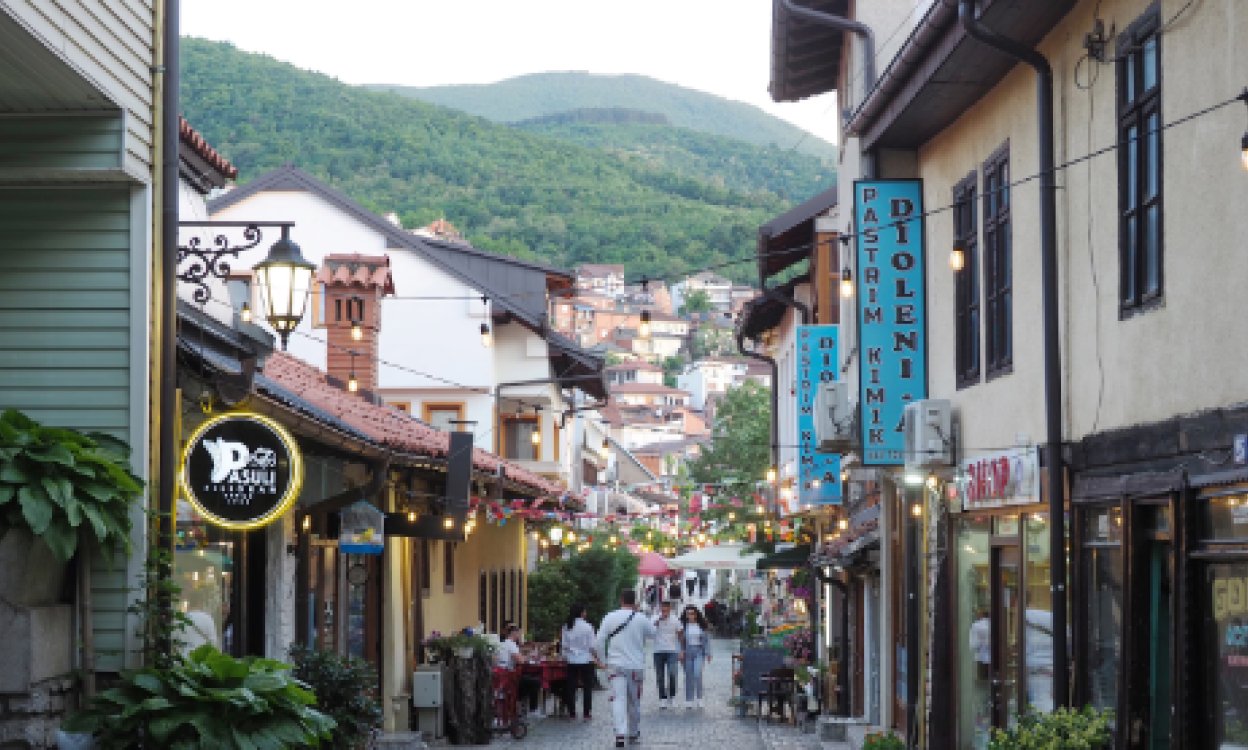
Spices culture in Kosovo
Balkan Blend: Kosovo cuisine integrates Balkan, Turkish, and Mediterranean spices. Key Spices: Paprika, cumin, and mint are common. Grilled Meats: Seasonings enhance dishes like qebapa (grilled sausages). Dairy Products: Yogurt sauces use garlic and dill. Cultural Fusion: Spices symbolize Kosovo's culinary diversity and historical influences. Spices and seasoning in Kosovo: Mentha (Mint): Used fresh in salads and dried in teas.
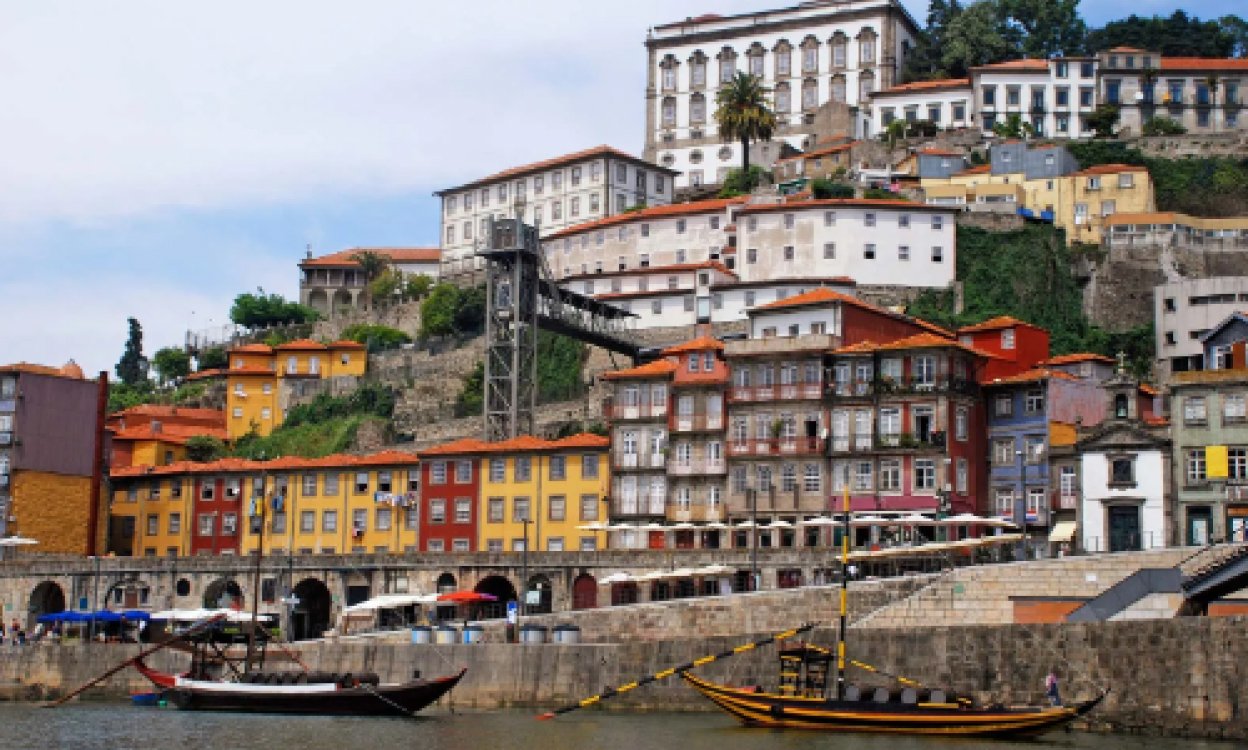
Spices culture in Portugal
Portugal's cuisine is defined by its use of aromatic spices and herbs, influenced by its history as a seafaring colonial power: Piri piri peppers: Small, fiery chili peppers used to add heat. Cinnamon: Used extensively in desserts and drinks like mulled wine. Paprika: Adds color and flavor to dishes like carne de porco à alentejana. Bay leaves: Commonly used in stews, rice dishes, and

Spices culture in Korea, South
Flavorful Balance: South Korean cuisine is characterized by bold, spicy, and savory flavors. Key Spices: Gochujang (fermented chili paste), garlic, and sesame seeds are essential. Kimchi Tradition: Various spices season this iconic fermented dish. BBQ Seasoning: Marinades blend soy sauce, garlic, and ginger. Culinary Heritage: Spices reflect Korea's agricultural history and cultural exchange. Spices and seasoning in Korea,South: Gochugaru: Coarse chili
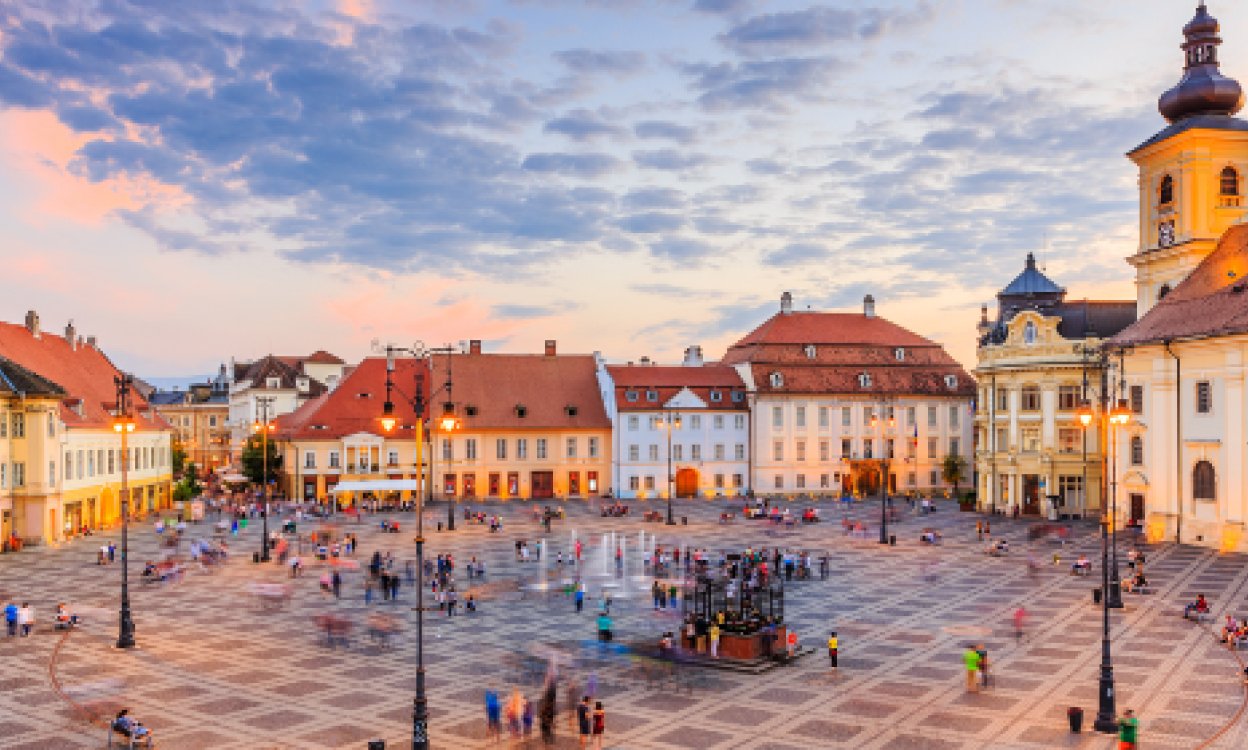
Spices culture in Romania
Spices and Herbs: Romanian cuisine is known for its generous use of spices and aromatic herbs, including pepper, paprika, garlic, dill, and basil. Traditional Dishes: Common dishes like sarmale (stuffed cabbage rolls), ciorbă de burtă (tripe soup), and mămăligă (cornmeal porridge) feature a variety of spices and herbs. Regional Variations: Romanian cuisine varies regionally, with each area having its own unique dishes

Spices culture in Korea, North
Minimalistic Approach: North Korean cuisine emphasizes natural flavors with modest seasoning. Key Ingredients: Garlic, ginger, and chili peppers are sparingly used. Fermented Foods: Kimchi incorporates chili flakes and ginger. Meat Dishes: Grilled meats feature soy-based marinades. Political Context: Traditional spices reflect self-sufficiency and simplicity amid international isolation. Spices and seasoning in Korea, North: Gochujang: A fermented chili paste used in sauces
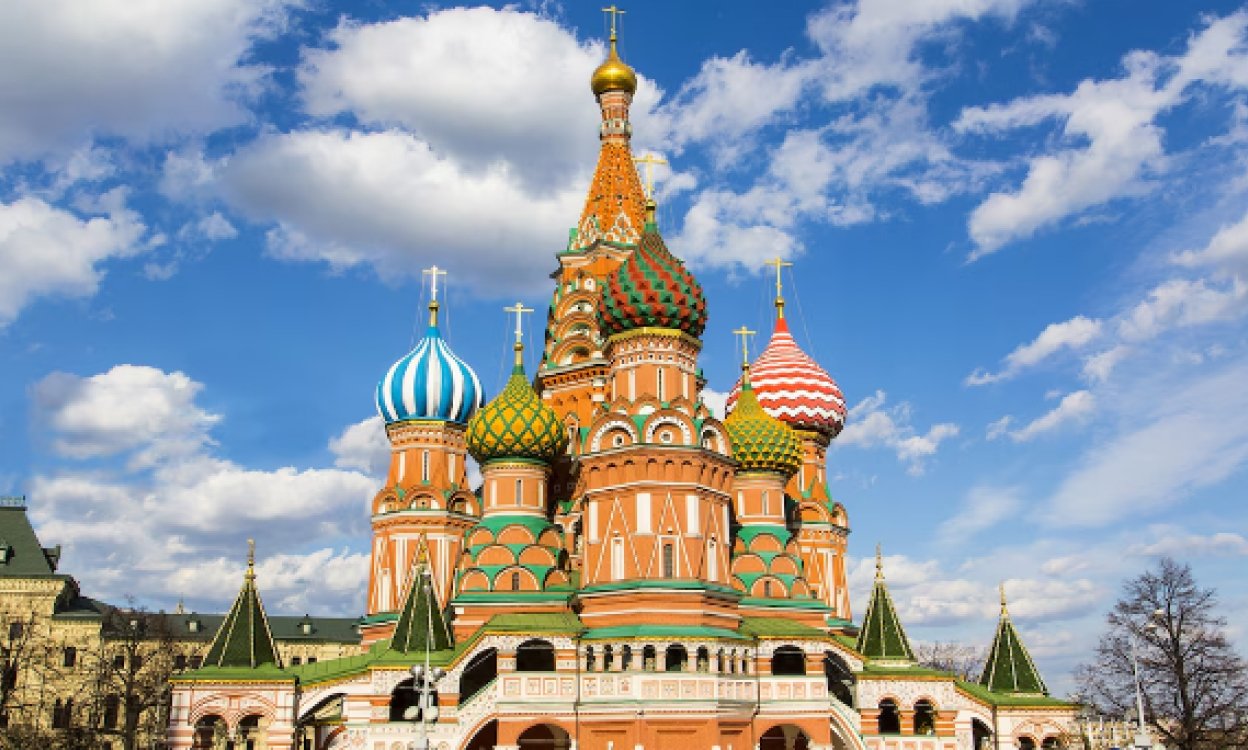
Spices culture in Russia
Spices and Herbs: Russian cuisine traditionally uses a variety of spices and herbs, including dill, parsley, and garlic. Borscht: A popular Russian soup, borscht, is flavored with beets, cabbage, and a mix of spices. Pelmeni: Dumplings filled with meat and herbs, often served with sour cream. Shchi: A traditional Russian soup made with cabbage, dill, and other herbs. Spice Blends: Russian cuisine often features

Spices culture in Kiribati
Oceanic Simplicity: Kiribati cuisine relies on fresh seafood with minimal seasoning. Coconut Use: Coconut milk and flesh add subtle sweetness. Herbal Touch: Pandanus leaves flavor traditional dishes. Root Vegetables: Taro and breadfruit are staples, often steamed or boiled. Cultural Significance: Spices are sparingly used, reflecting Kiribati's focus on natural flavors. Spices and seasoning in Kiribati: Coconut: Not a spice, but integral
Spices culture in Rwanda
Spices and Herbs: Rwandan cuisine is known for its use of local herbs and spices, including coriander, cumin, and chili peppers. Traditional Dishes: Common dishes like irish potatoes (mashed potatoes with spices), beans, and rice are flavored with a variety of spices. Regional Variations: Rwandan cuisine varies by region, with each area having its own unique dishes and cooking techniques influenced by