
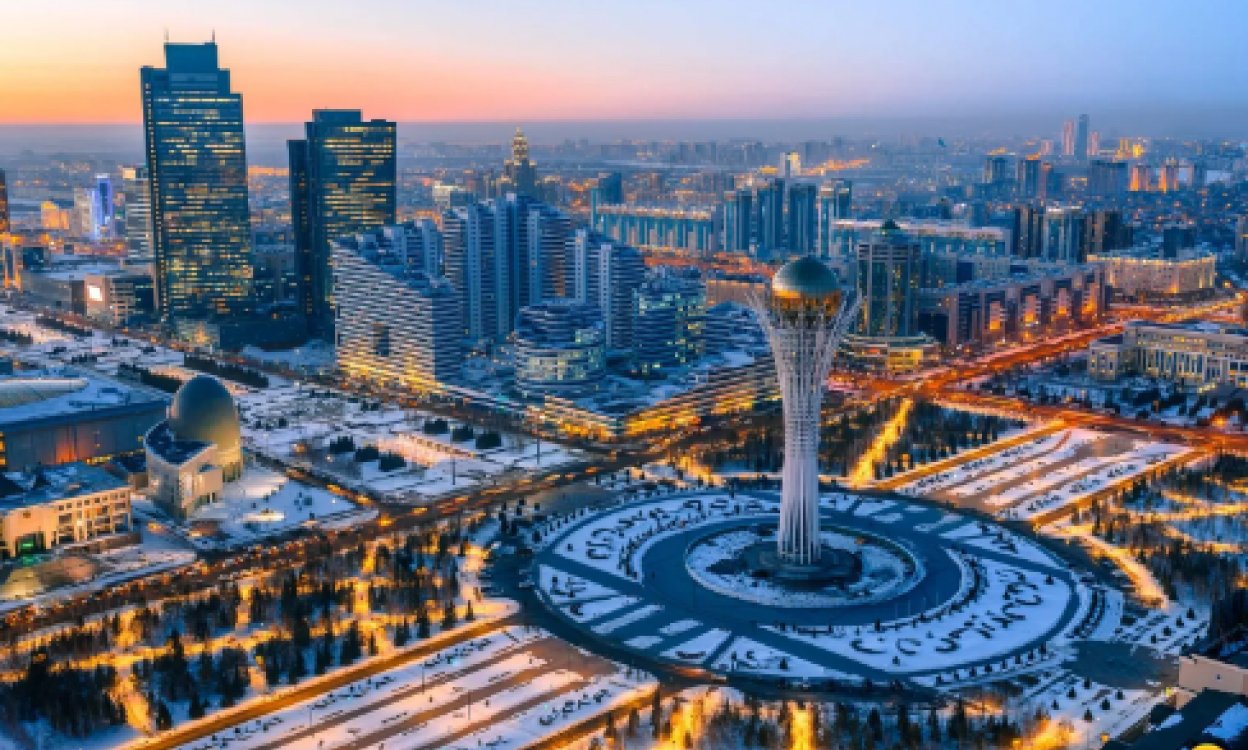
Spices culture in Kazakhstan
Eurasian Fusion: Kazakh cuisine blends Central Asian and Russian influences. Key Spices: Cumin, coriander, and black pepper are commonly used. Meat-centric Dishes: Spices flavor traditional dishes like beshbarmak (meat and noodles). Dairy Products: Spices enhance fermented milk products like kumis. Nomadic Heritage: Spices are used in preservation methods and festive meals, reflecting Kazakh culture. Spices and seasoning in Kazakhstan: Dill: Commonly
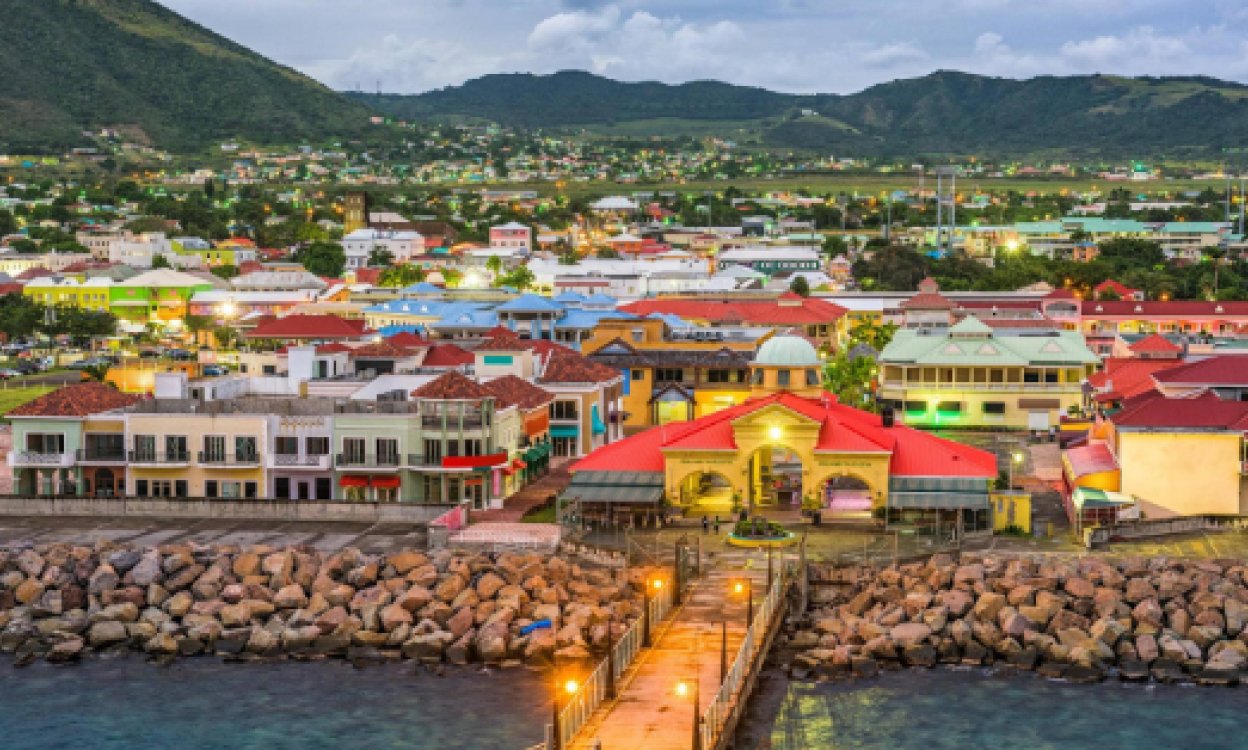
Spices culture in Saint Kitts and Nevis
Known for producing spices such as nutmeg, cinnamon, and cloves. Spices play a significant role in local cuisine, enhancing dishes like seafood and stews. Visitors can explore spice estates and markets to experience the local spice culture. Spices and seasoning in Saint Kitts and Nevis: Nutmeg, Cinnamon, Ginger, Allspice: Commonly used in Saint Kitts and Nevis dishes. Nutmeg, in particular, is a popular spice
Spices culture in Saint Lucia
Famous for its production of spices including cinnamon, nutmeg, and cocoa. Spices are essential in traditional dishes such as bouyon (stew) and pepper pot. Spice tours are popular, offering insights into cultivation and processing techniques Spices and seasoning in Saint Lucia: Thyme, Garlic, Ginger, Nutmeg, Allspice: These aromatic ingredients are used in meat dishes, stews, and curries in Saint Lucia3. Scotch Bonnet Peppers, Basil: These

Spices culture in Jordan
Middle Eastern Blend: Jordanian cuisine features a blend of spices like cumin, coriander, and turmeric. Herbaceous Flavors: Mint and parsley add freshness to dishes like falafel and tabbouleh. Za'atar Influence: A mix of thyme, sesame seeds, and sumac flavors breads and meats. Spice Souks: Markets offer a variety of blends for traditional dishes. Cultural Significance: Spices connect Jordan's history
Spices culture in Saint Vincent and the Grenadines
Noted for spices like nutmeg, cinnamon, and mace. Spices are integral to local cuisine, used in dishes such as roasted breadfruit and callaloo. Markets feature a variety of locally grown spices, attracting both locals and tourists. Spices and seasoning in Saint Vincent and the Grenadines: Saint Vincent and the Grenadines cuisine features a blend of African, East Indian, and European influences, reflected in its
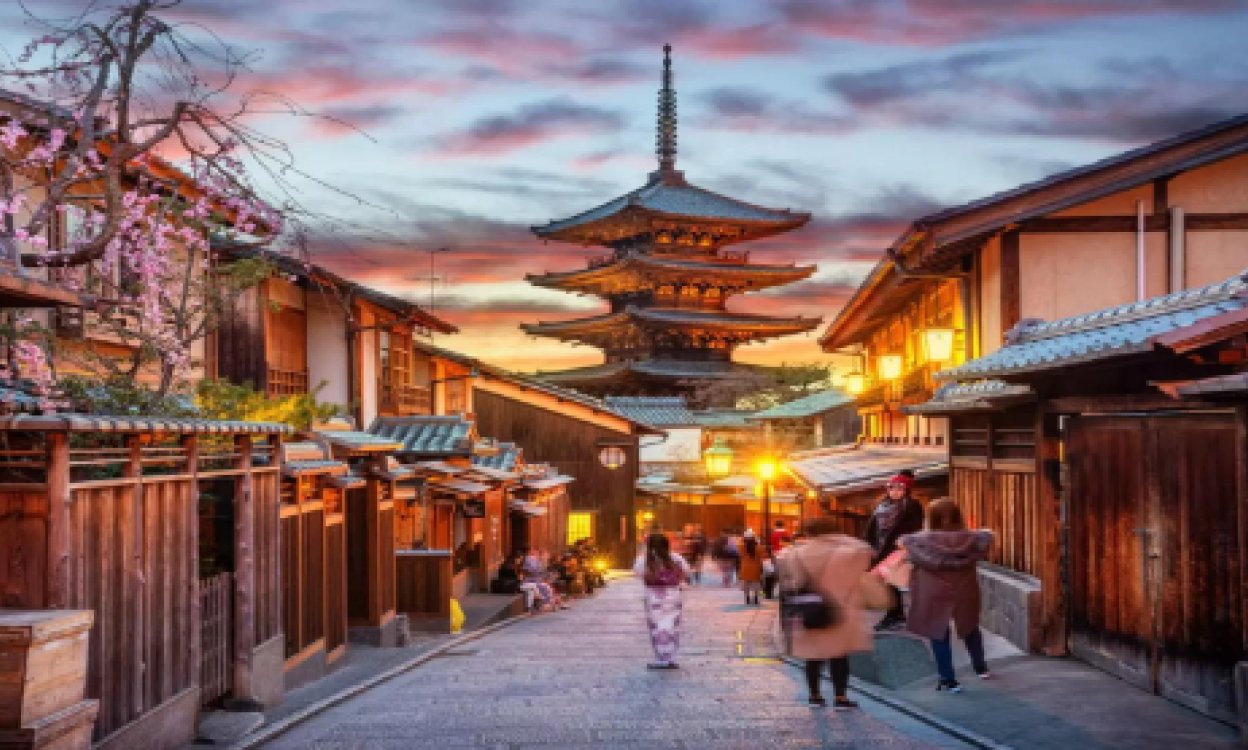
Spices culture in Japan
Umami Essence: Japanese cuisine emphasizes delicate balance and umami-rich flavors. Essential Spices: Soy sauce, miso, and wasabi are fundamental seasonings. Subtle Elegance: Shichimi togarashi (seven-spice blend) adds depth without overwhelming. Seasonal Sensibilities: Sansho pepper and yuzu zest vary by region and season. Culinary Tradition: Spices like ginger and sesame seeds enhance sushi, ramen, and traditional dishes, showcasing Japan's meticulous

Spices culture in Samoa
Indigenous spices include wild ginger, turmeric, and chili peppers. Spices are crucial in traditional Samoan dishes such as palusami (coconut cream wrapped in taro leaves). Markets offer a range of fresh spices alongside tropical fruits and seafood. Spices and seasoning in Samoa: Sage, Rosemary, Thyme, Oregano, Garlic: Commonly used herbs and spices in San Marino cooking9. Verretta: A chocolate-covered dessert with hazelnut, cocoa cream, and

Spices culture in Jamaica
Pungent Flavors: Jamaican cuisine is renowned for its bold and spicy flavors. Key Spices: Allspice (locally known as pimento), Scotch bonnet peppers, and thyme are fundamental. Marinades and Rubs: Jerk seasoning blends cloves, cinnamon, and nutmeg with fiery peppers. Traditional Dishes: Curry goat and ackee and saltfish showcase local spice blends. Cultural Heritage: Spices reflect African, Caribbean, and indigenous
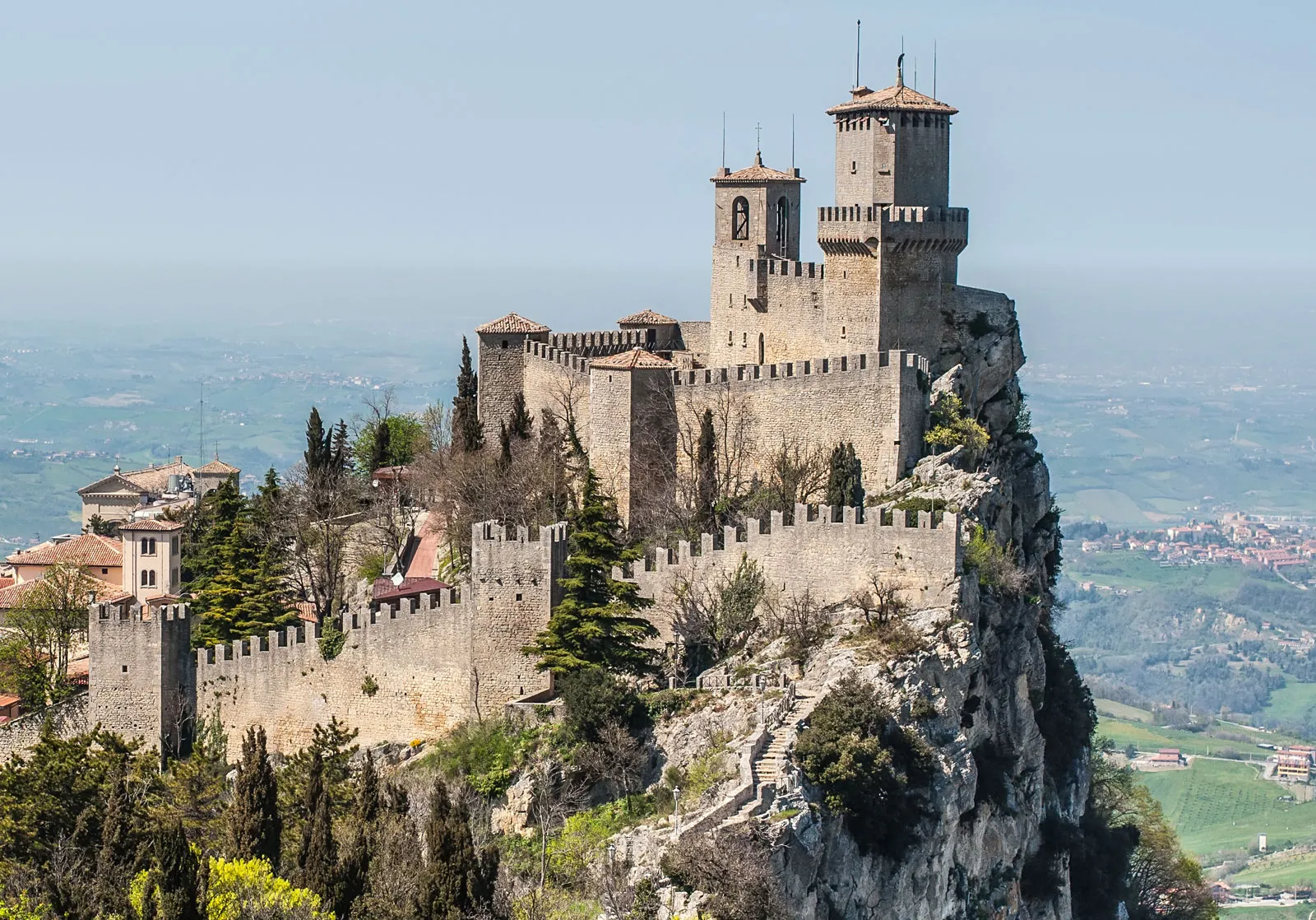
Spices culture in San Marino
While not a major spice producer, it imports and uses various spices in its cuisine. Commonly used spices include rosemary, sage, and saffron. Local markets and specialty stores offer a selection of spices for culinary enthusiasts Spices and seasoning in San Marino: Sage, Rosemary, Thyme, Oregano, Garlic: Commonly used herbs and spices in San Marino cooking9. Verretta: A chocolate-covered dessert with hazelnut, cocoa cream, and
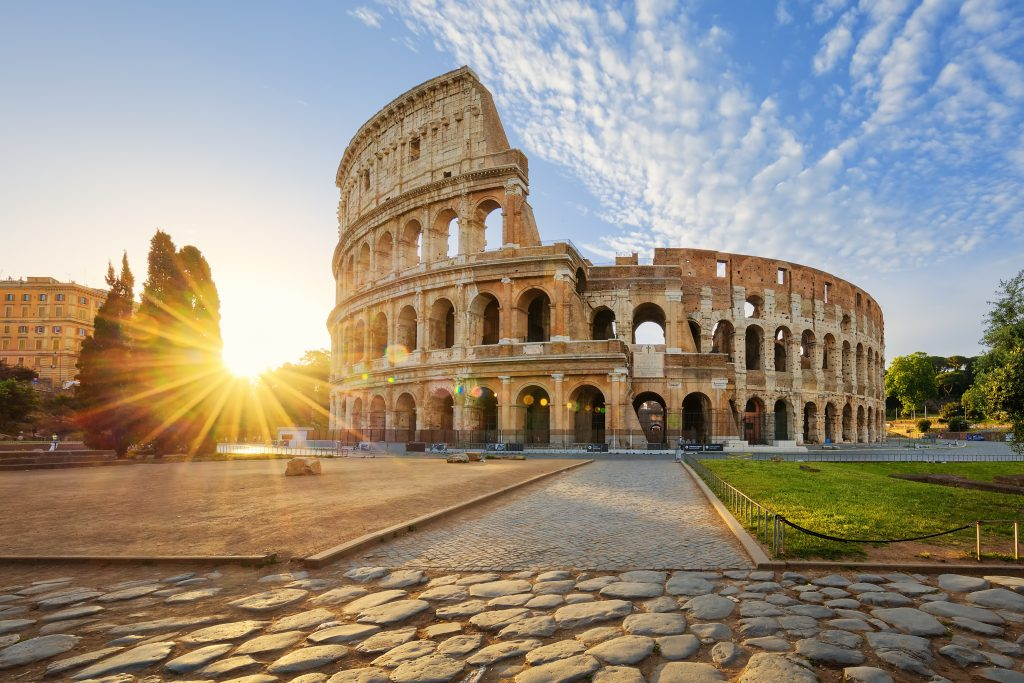
Spices culture in Italy
**Herb-Driven:** Basil, oregano, and rosemary are essential. **Regional Varieties:** Northern Italy favors sage and butter; Southern Italy uses chili and oregano. **Tomato Sauce Base:** Garlic and olive oil are foundational. **Cheese Complements:** Nutmeg enhances creamy dishes. **Historical Roots:** Roman and Mediterranean spice trade shaped Italian cuisine. Spices and seasoning in Italy: Spices and Seasonings in Italian Cuisine Italian cuisine features a blend of fresh herbs and spices