
Spices culture in Latvia
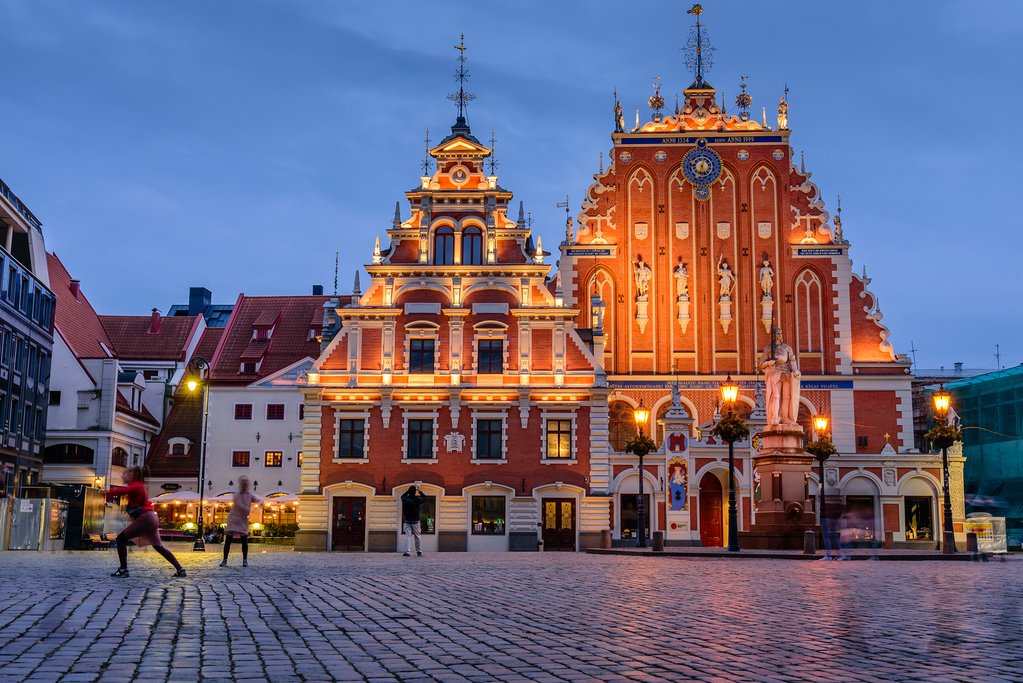
Spices Used: Latvian cuisine makes use of local herbs and spices such as caraway seeds, dill, juniper berries, and bay leaves. Typical Dishes: Spices are used to flavor traditional dishes like grey peas with smoked bacon, speķa pīrāgi (bacon-filled pastries), and sklandrausis (a rye pastry with carrot filling). Cultural Significance: These spices are deeply rooted in Latvia's culinary traditions,

Spices culture in Luxembourg
Spices Used: Luxembourg's cuisine is influenced by French, German, and Belgian flavors, featuring spices such as thyme, parsley, nutmeg, bay leaves, and juniper berries. Typical Dishes: Spices are used in dishes like bouneschlupp (green bean soup), judd mat gaardebounen (smoked pork with broad beans), and quetschentaart (plum tart). Cultural Significance: Spices in Luxembourg's cuisine add depth and character to

Spices culture in Lithuania
Spices Used: Lithuanian cuisine utilizes spices such as bay leaves, allspice, black pepper, marjoram, and dill. Typical Dishes: These spices flavor dishes like cepelinai (potato dumplings), kugelis (potato pudding), cold beet soup (šaltibarščiai), and smoked meats. Cultural Significance: Spices in Lithuanian cooking reflect its agricultural roots and traditional farming practices, contributing to the robust flavors of its hearty and

Spices culture in Liechtenstein
Spices Used: Liechtenstein's cuisine is influenced by neighboring Germany, Austria, and Switzerland, featuring spices such as mustard seeds, juniper berries, parsley, and thyme. Typical Dishes: Spices are used in dishes like käsknöpfle (cheese dumplings), rösti (potato pancakes), and sauerkraut. Cultural Significance: Spices in Liechtenstein reflect its Alpine heritage and culinary traditions, adding flavor and complexity to dishes that are
Spices culture in Libya
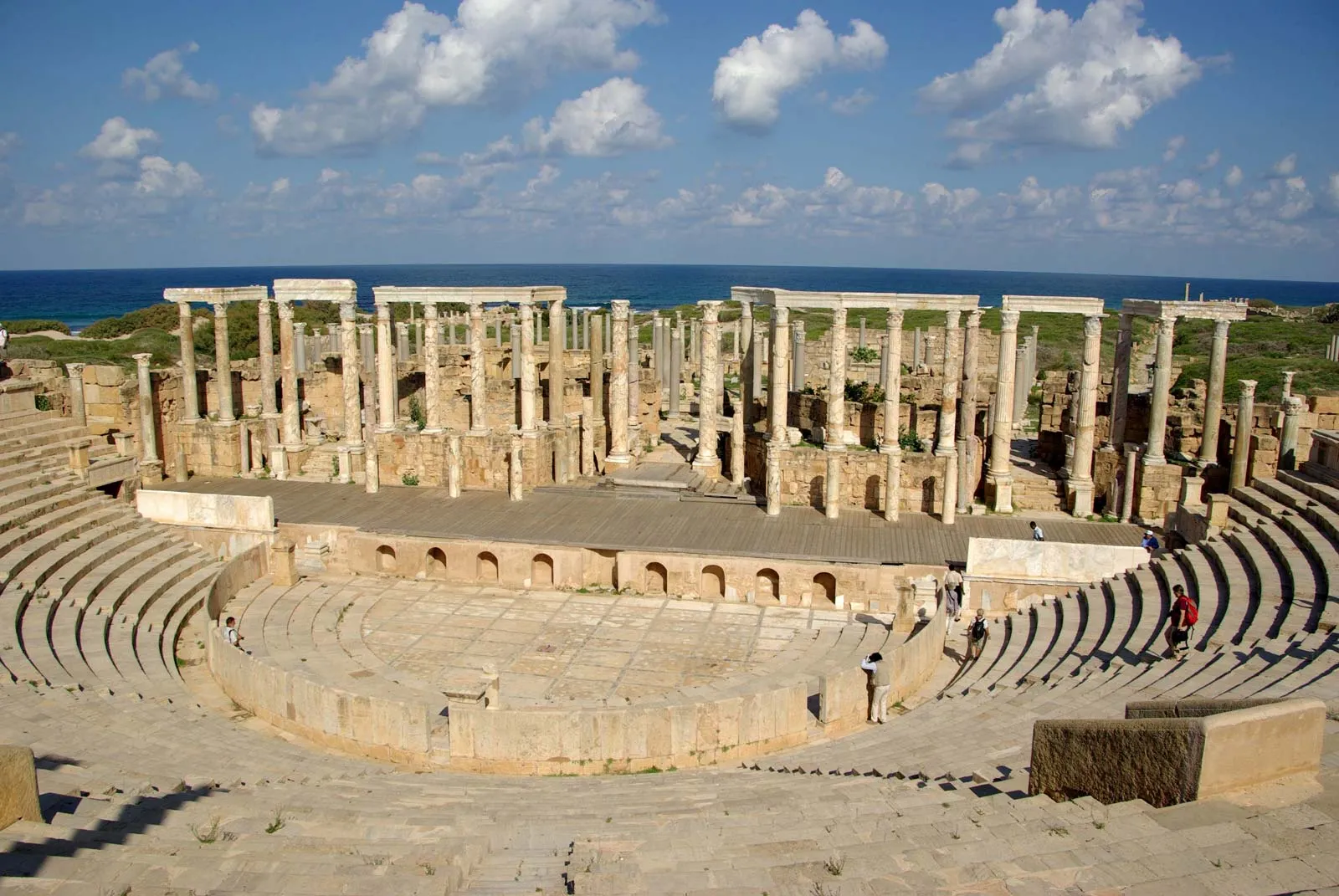
Spices Used: Libyan cuisine features spices such as cumin, coriander, cinnamon, paprika, turmeric, and saffron. Typical Dishes: These spices are used in dishes like couscous, bazeen (steamed barley bread), shakshouka (eggs poached in spicy tomato sauce), and harira (spicy soup). Cultural Significance: Spices in Libyan cuisine are integral to its Mediterranean flavors and reflect influences from North African and

Spices culture in Laos
Spices Used: Laos cuisine is characterized by its use of aromatic herbs and spices that enhance the flavors of its dishes. Common spices include lemongrass, galangal (Thai ginger), ginger, garlic, cilantro, and mint. Typical Dishes: These spices are prominently featured in dishes like laap (a minced meat salad), tam mak hoong (green papaya salad), and mok pa (steamed fish

Spices culture in Qatar
Spices play a crucial role in Qatari cuisine, reflecting centuries of trade and cultural influences: Qatari cuisine is heavily spiced, using cardamom, cloves, dried limes (loomi), and cumin Spice blends like bizar, daqoos, and hisso are meticulously prepared using ingredients like black pepper, coriander, cinnamon, ginger, and chili Spices were historically imported via trade routes from India, Basra, Bahrain, and
Spices culture in Kenya
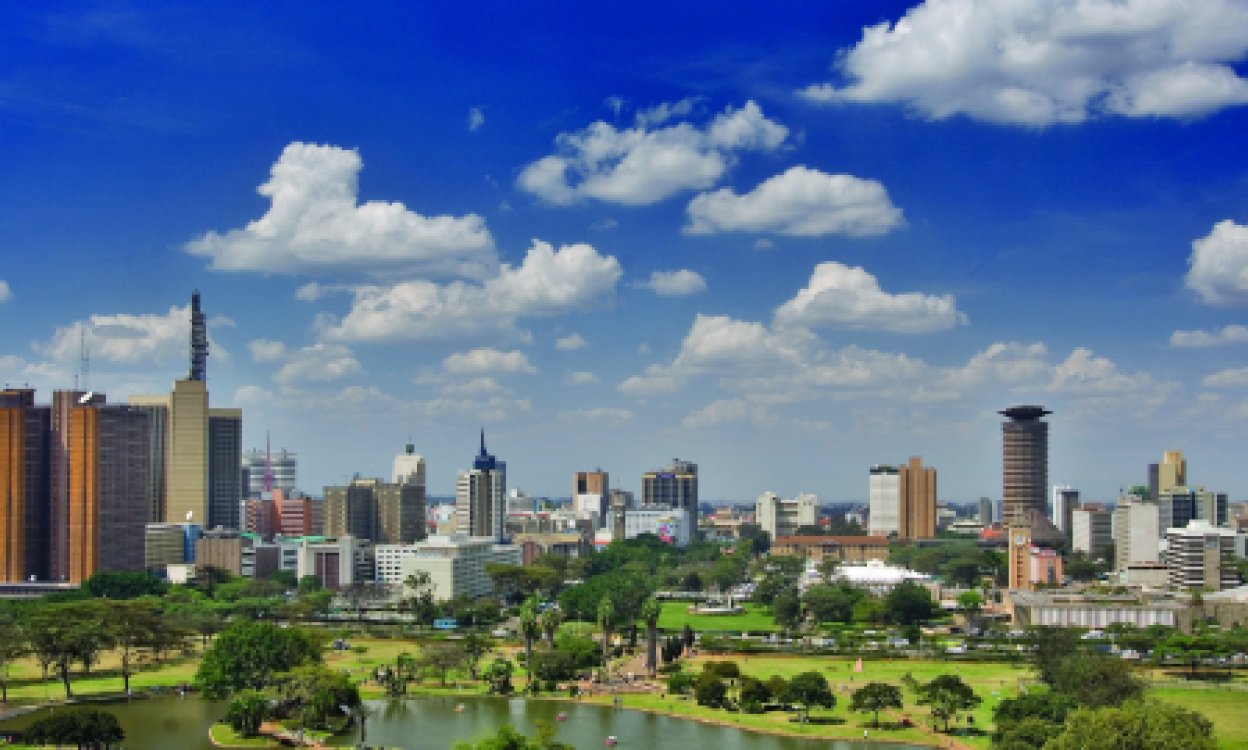
Coastal Influence: Kenyan cuisine blends African, Arab, and Indian spices. Swahili Spices: Cardamom, cloves, and cinnamon flavor dishes like pilau rice. Herbal Diversity: Fresh herbs like cilantro and mint are common. Grilled Meats: Nyama choma (barbecued meat) uses spice rubs. Cultural Fusion: Spices symbolize Kenya's diverse ethnicities and historical trade routes. Spices and seasoning in Kenya: Pilau Masala: A blend

Spices culture in Philippines
The Philippines does not have a strong historical spice culture like some other Southeast Asian countries. However, the country's cuisine has been influenced by various cultural influences over time: Chili peppers (lada) were introduced from the Americas and have become a common ingredient, especially in Bicol cuisine. Spices like ginger, turmeric, and lemongrass are used in some regional dishes, particularly in Mindanao. Sesame
Spices culture in Kyrgyzstan
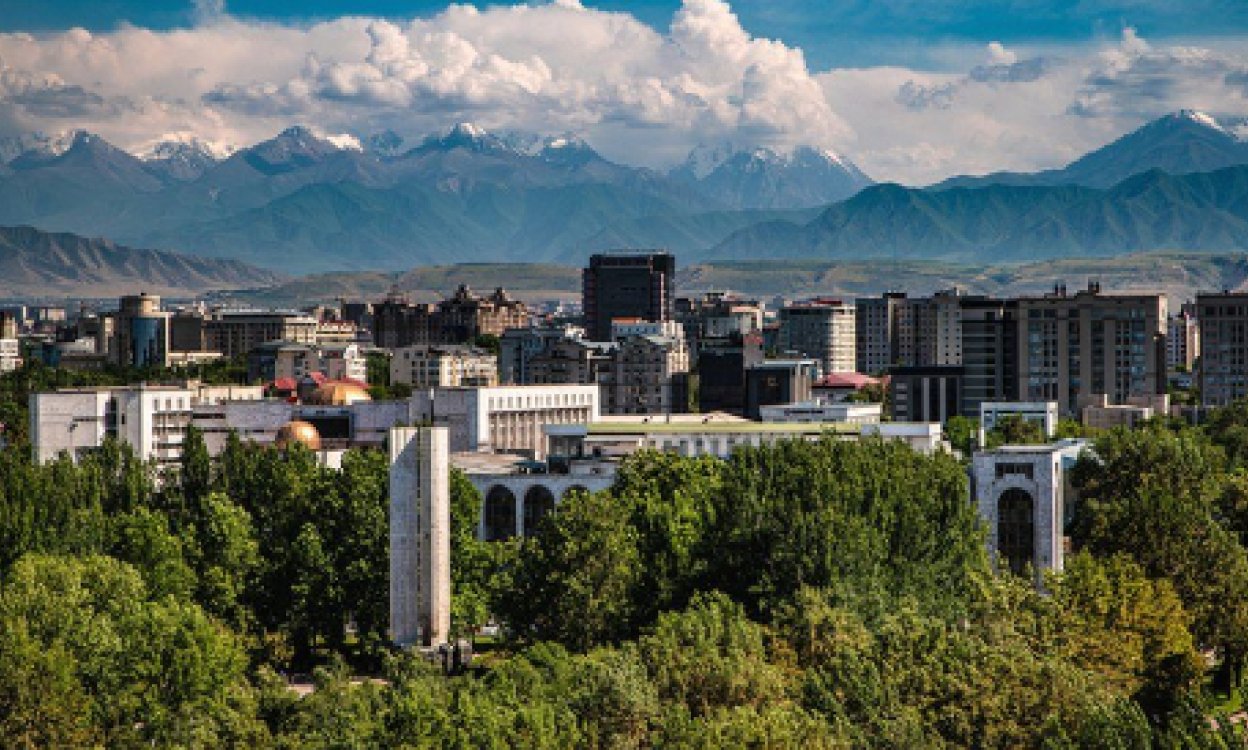
Silk Road Influence: Kyrgyz cuisine blends Central Asian and Chinese spice traditions. Key Spices: Cumin, coriander, and chili peppers flavor dishes. Dumpling Seasoning: Manti and samsa use a spice blend for meat fillings. Herbal Infusions: Mint and tarragon are common in teas and dishes. Nomadic Traditions: Spices reflect Kyrgyzstan's pastoral heritage and cultural diversity. Spices and seasoning in Kyrgyzstan: Dill: