
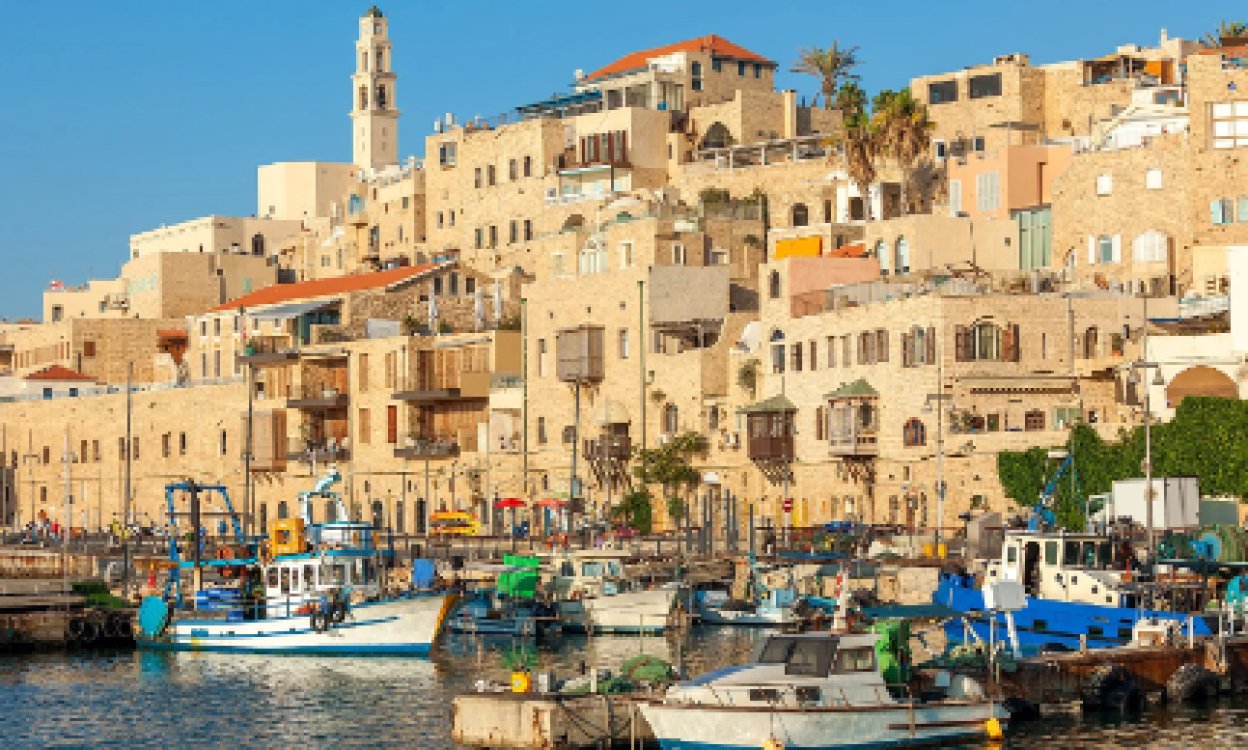
Spices culture in Israel
Middle Eastern Influence:* Sumac, za'atar, and cumin are prevalent. Herbaceous Notes: Parsley and cilantro enhance salads and dips. Spicy Condiments: Harissa and tahini add depth to dishes. Street Food: Shawarma and falafel blend spices and herbs. Diverse Origins: Spices reflect Jewish, Arab, and Mediterranean culinary influences. Spices and seasoning in Israel: The vibrant spice culture of Israel reflects its diverse culinary

Spices culture in Ireland
Simple Seasonings: Salt, pepper, and parsley are traditional. Herb Gardens: Thyme and rosemary are commonly used. Stews and Soups: Spices are subtle in hearty dishes. Modern Fusion: Global cuisine has introduced new spices. Cultural Traditions: Spices represent Ireland's agricultural history and traditional flavors. Spices and seasoning in Ireland: The traditional spice and seasoning use in Irish cuisine reflects the island's history and climate: Black pepper

Spices culture in Saudi Arabia
Uses spices such as saffron, cardamom, and cumin in traditional dishes like Kabsa (spiced rice with meat). Spice markets (souks) are vibrant places where locals buy and sell spices, herbs, and blends. Arabian cuisine features diverse spice mixes that vary by region and family recipes. Spices and seasoning in Saudi Arabia: Cumin, Cinnamon, Turmeric, Cardamom, Saffron, and Coriander: Commonly used spices in Saudi Arabian
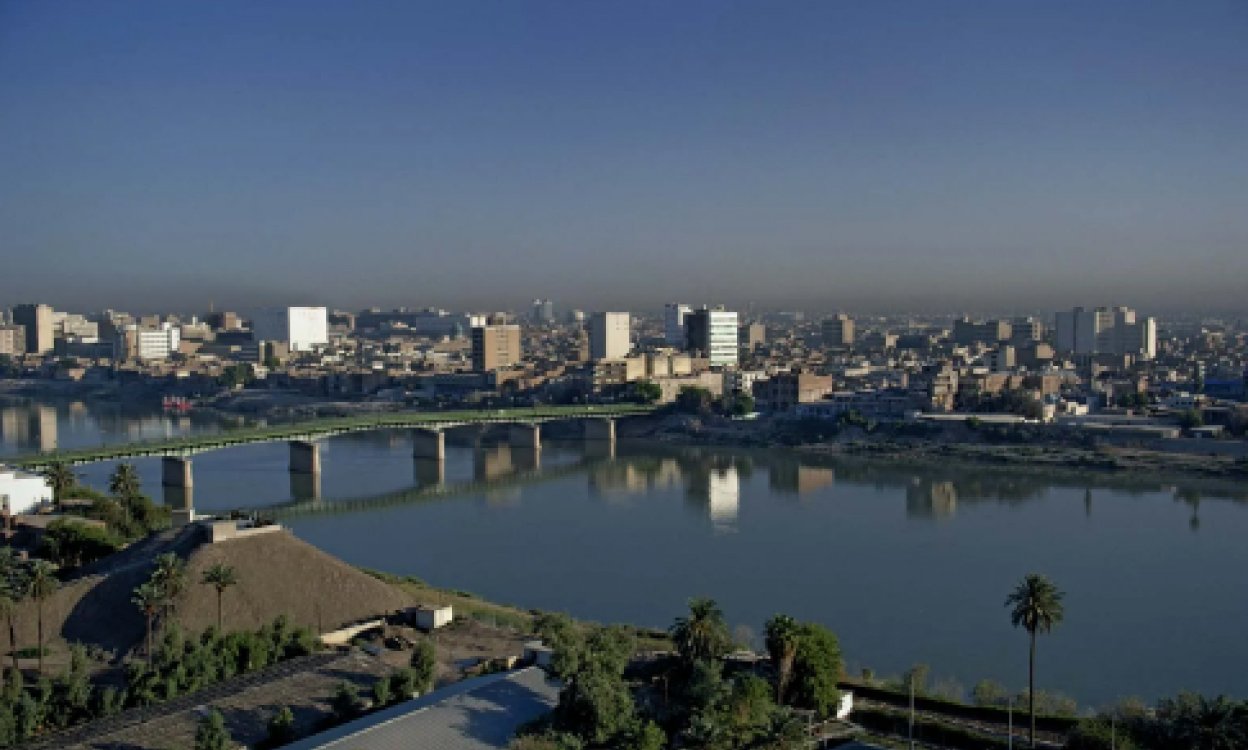
Spices culture in Iraq
Spice Blend: Cumin, coriander, and turmeric form the base of many dishes. Herbal Influence: Mint and cilantro add freshness. Culinary Diversity: Diverse regional cuisines influence spice use. Meat and Rice Dishes: Spices flavor biryanis and kebabs. Historical Roots: Spices connect to Mesopotamian heritage and Arab influences. Spices and seasoning in Iraq: The vibrant spice culture of Iraq reflects its diverse culinary heritage: Baharat - A signature
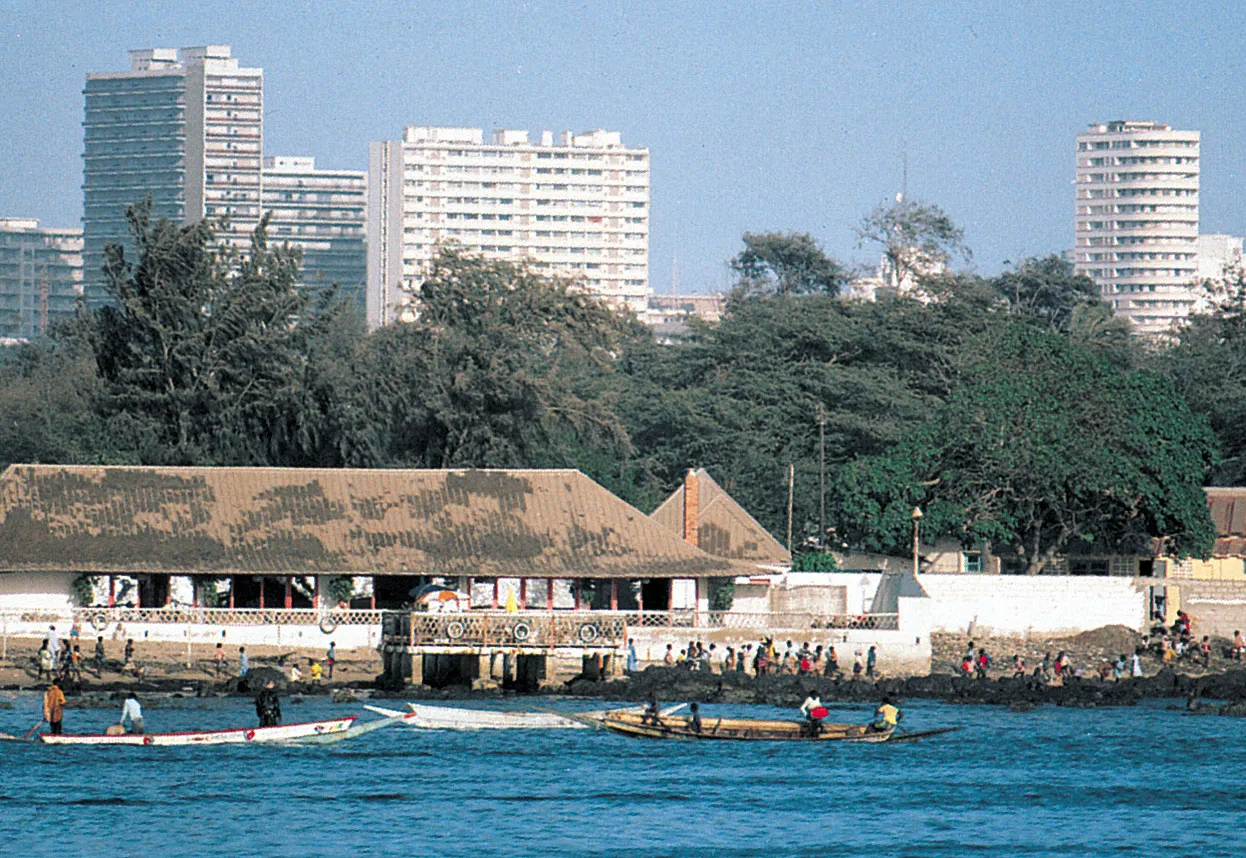
Spices culture in Senegal
Known for spices like thyme, garlic, and chili peppers in dishes like yassa (marinated grilled chicken). Spices are essential in Senegalese cuisine, enhancing flavors in stews, rice dishes, and grilled meats. Markets showcase a variety of locally sourced spices alongside fresh produce. Spices and seasoning in Senegal: Cumin, Coriander, Ginger, Garlic, Thyme, Parsley, Mint, and Chili Peppers: Commonly used in Senegalese cooking3. Ndambek (Spicy Bean
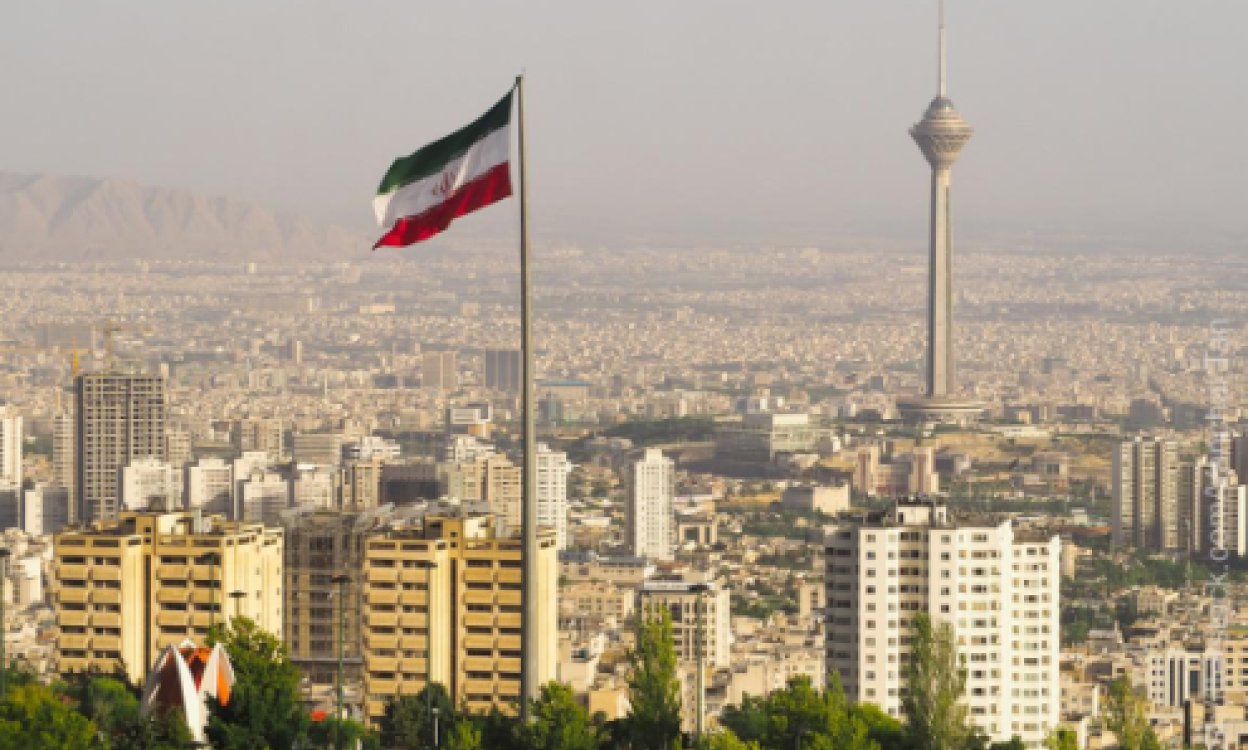
Spices culture in Iran
Saffron Richness: Saffron adds color and flavor to Persian cuisine. Herbaceous Elements: Dill, mint, and parsley enhance dishes. Subtle Heat: Cumin and cinnamon balance flavors. Rice Mastery: Saffron-infused rice is a staple. Cultural Importance: Spices reflect Persian culinary sophistication and historical trade routes. Spices and seasoning in Iran: The vibrant spice culture of Iran is deeply rooted in its rich culinary traditions: Saffron - A signature

Spices culture in Indonesia
Spice Islands Influence: Nutmeg, clove, and cinnamon are historical staples. Balinese Cuisine: Lemongrass, galangal, and turmeric are prevalent. Javanese Flavors: Tamarind and coriander seed are common. Sambal Tradition: Chili-based sauces vary in spice level across regions. Culinary Heritage: Spices reflect Indonesia's maritime history and cultural diversity. Spices and seasoning in Indonesia: Indonesia's vibrant spice culture is deeply rooted in its diverse culinary traditions: Signature spices: Turmeric,
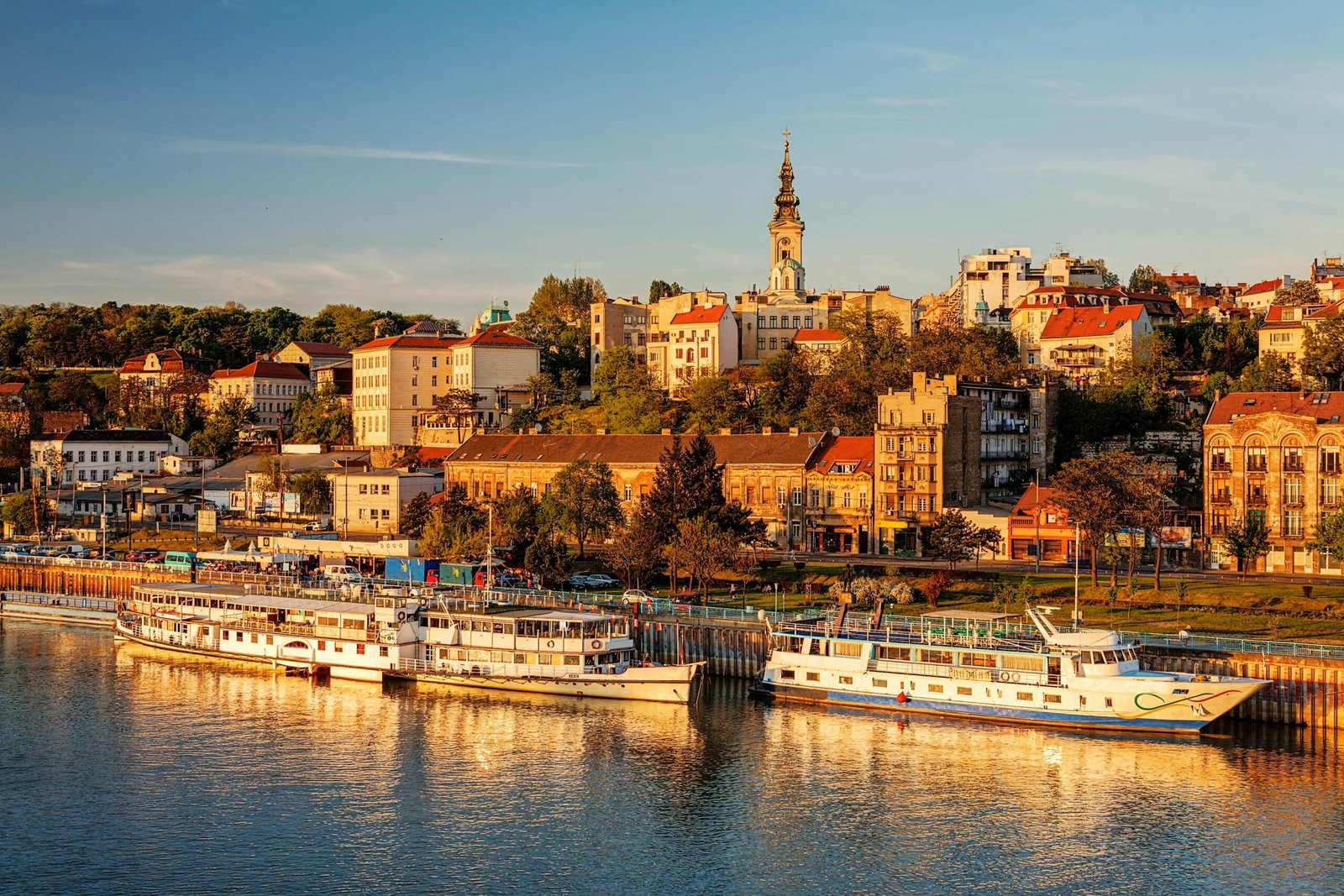
Spices culture in Serbia
While not known for exotic spices, staples like paprika, garlic, and bay leaves are widely used. Spice markets offer a range of products for traditional dishes such as ajvar (red pepper relish) and sarma (stuffed cabbage rolls). Serbian cuisine incorporates spice blends that reflect regional influences. Spices and seasoning in Serbia: Paprika: Widely used in Serbian cuisine, adding rich flavor and color. Cumin, Coriander, Garlic,

Spices culture in India
Diverse Spices: Known for a vast array including cumin, turmeric, and cardamom. Regional Variations: Each region uses spices uniquely, influencing dishes. Medicinal Use: Ayurvedic practices integrate spices for health benefits. Culinary Techniques: Spices are often toasted or ground freshly. Cultural Significance: Spices symbolize India's history, trade, and culinary diversity. Spices and seasoning in India: The vibrant spice culture of India is deeply rooted in its diverse
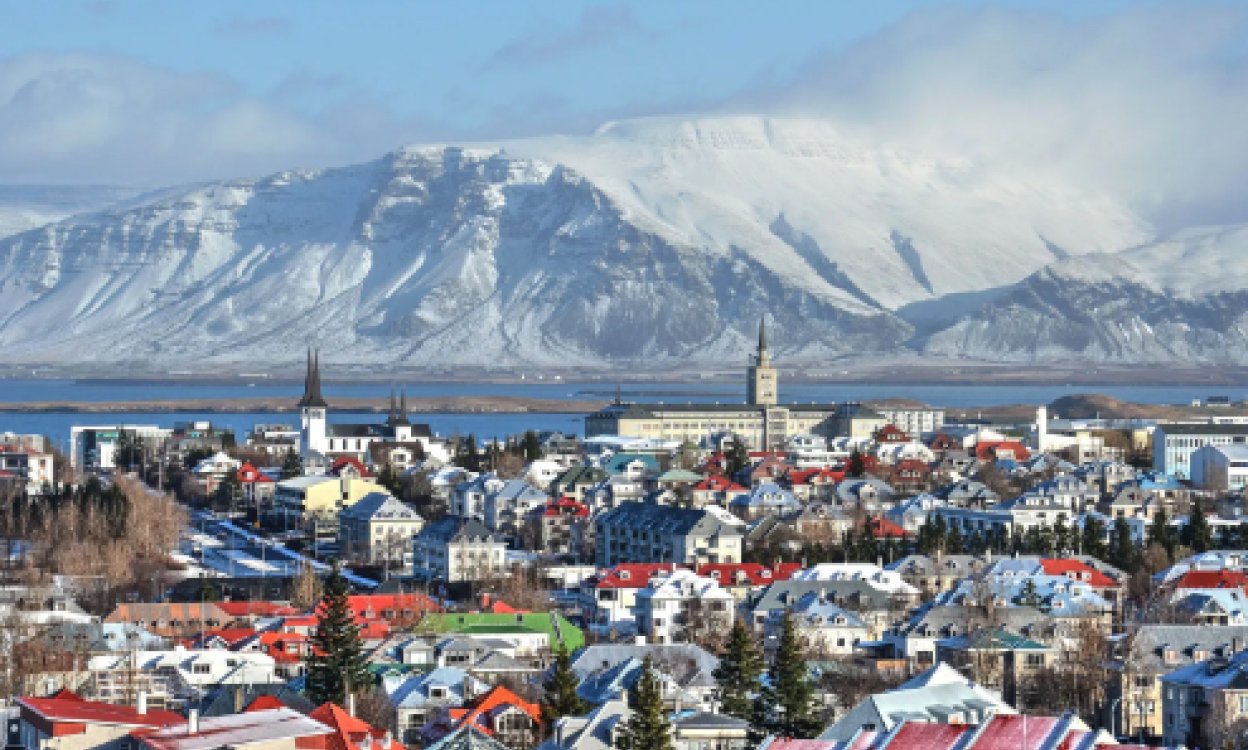
Spices culture in Iceland
Minimalistic Approach: Icelandic cuisine traditionally uses few spices. Local Ingredients: Dill and mustard are common in sauces and pickling. Seafood Focus: Salt and pepper are primary seasonings for fish dishes. Modern Influence: Global cuisines have introduced new spices in Icelandic cooking. Cultural Context: Traditional dishes like hákarl (fermented shark) showcase preservation methods over spices. Spices and seasoning in Iceland: Traditional Icelandic cuisine has historically featured a