

Spices culture in Tunisia
Tunisian cuisine is influenced by its Mediterranean location and its history of Berber, Arab, and French colonial influences. Staple foods include couscous, olives, olive oil, dates, and various types of seafood and meat. Spices commonly used in Tunisian cooking include cumin, caraway, coriander, chili peppers, and harissa (a spicy chili paste). Tagine, a slow-cooked meat and vegetable stew, is a signature Tunisian dish,

Spices culture in Colombia
Colombian cuisine showcases a vibrant spice culture, reflecting the country's diverse geographic regions and cultural influences. Common spices include cumin, coriander, cloves, cinnamon, and a variety of chili peppers, including the iconic aji amarillo. Unique regional spice blends, such as the Creole seasoning used in the Caribbean coast, add depth and complexity to traditional dishes. Spices are often toasted,
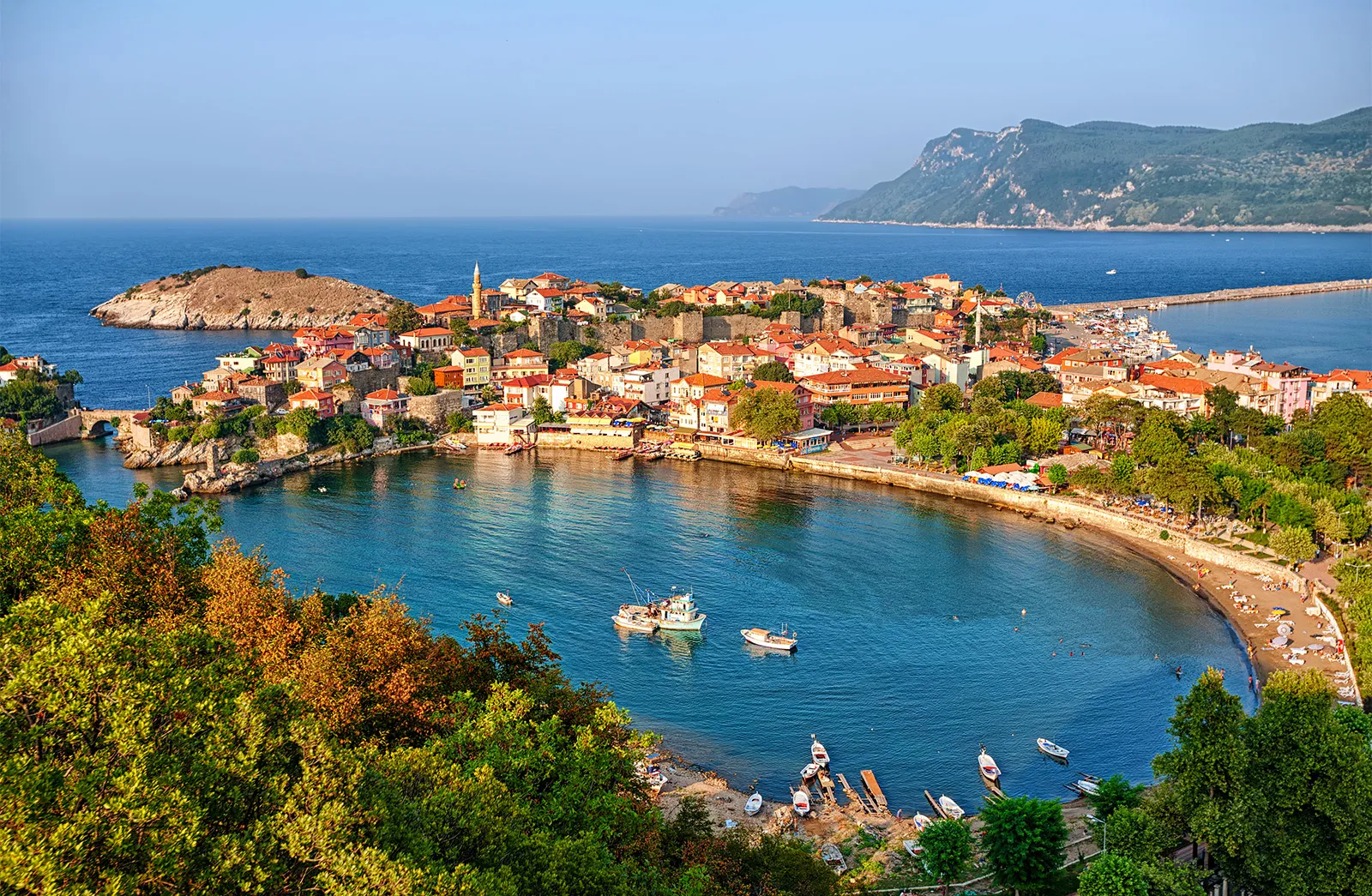
Spices culture in Turkey
Turkish cuisine is renowned for its diverse flavors, drawing influences from the Ottoman Empire and the country's geographic location. Common ingredients include meat (particularly lamb and beef), vegetables, grains, dairy products, and a variety of spices. Spices commonly used in Turkish cooking include cumin, coriander, cinnamon, cloves, allspice, and chili peppers. Kebabs, such as shish kebab and adana kebab, are a staple in

Spices culture in Turkmenistan
Turkmen cuisine is heavily influenced by the country's nomadic heritage and its location in Central Asia. Staple foods include meat (particularly lamb and mutton), wheat, rice, and dairy products. Spices commonly used in Turkmen cooking include cumin, coriander, black pepper, saffron, and barberries. Plov, a rice dish cooked with meat, carrots, and spices, is a national dish of Turkmenistan. Lagman, a type of hand-pulled

Spices culture in Tuvalu
Tuvaluan cuisine is heavily influenced by the country's Polynesian heritage and the availability of local ingredients. Staple foods include taro, breadfruit, coconut, and various types of seafood. Tuvaluan dishes often feature the use of coconut milk, which is used to flavor stews, curries, and desserts. Lū, a traditional Tuvaluan dish made with taro leaves, coconut milk, and meat or fish, is a staple

Spices culture in Uganda
Spices: Uganda is known for its use of spices such as ginger, garlic, turmeric, and cayenne pepper. Local Dishes: Spices are prominently featured in dishes like matooke (cooked plantains), luwombo (steamed meat or fish wrapped in banana leaves), and various stews and sauces. Cultural Significance: Spices often symbolize hospitality and are used generously in traditional cooking to enhance flavor and aroma. Spices and

Spices culture in Ukraine
Spices: Ukrainian cuisine uses spices such as dill, garlic, bay leaves, paprika, and black pepper. Borscht: A famous Ukrainian dish, borscht, uses spices like bay leaves and dill for its distinctive flavor. Cultural Context: Spices are integral to Ukrainian culinary traditions, often used in both everyday meals and festive dishes. Spices and seasoning in Ukraine: Basil: Commonly used varieties include sweet basil, lemon

Spices culture in China
Chinese cuisine features a vast and complex spice culture, with regional variations across the country. Common spices include Sichuan peppercorns, star anise, cinnamon, fennel, cloves, and a variety of chili peppers. Unique regional spice blends, such as the five-spice powder used in Cantonese cuisine, are integral to the distinct flavors of Chinese dishes. Spices are often toasted, fried, or

Spices culture in United Arab Emirates
Spices: The UAE has a rich history of trading spices like saffron, cardamom, cinnamon, and turmeric. Traditional Dishes: Spices are essential in Emirati cuisine, such as in dishes like biryani, machboos, and various grilled meats and kebabs. Cultural Influence: Spices are not only culinary but also cultural symbols, reflecting the region's historical spice trade routes and Arabian hospitality. Spices and seasoning in United

Spices culture in United Kingdom
Spices: Historically, the UK has imported spices such as pepper, cloves, nutmeg, and ginger from its colonial trade routes. Curry Culture: Indian spices like turmeric, cumin, and coriander are prominent in British dishes, particularly in the popular cuisine of Indian origin, such as curry. Modern Usage: British cuisine has integrated diverse spices over centuries, influencing both traditional and contemporary cooking styles. Spices and