

Spices culture in Vietnam
Fish Sauce (Nước mắm): Essential to Vietnamese cuisine, fish sauce is used as a seasoning and dipping sauce. Fresh Herbs: Vietnamese dishes often incorporate fresh herbs like mint, cilantro, and Thai basil, adding aromatic complexity. Lemongrass and Galangal: These are key ingredients in many Vietnamese dishes, contributing citrusy and peppery flavors respectively. Spice Blends: Five-spice powder and curry powders are used in Vietnamese
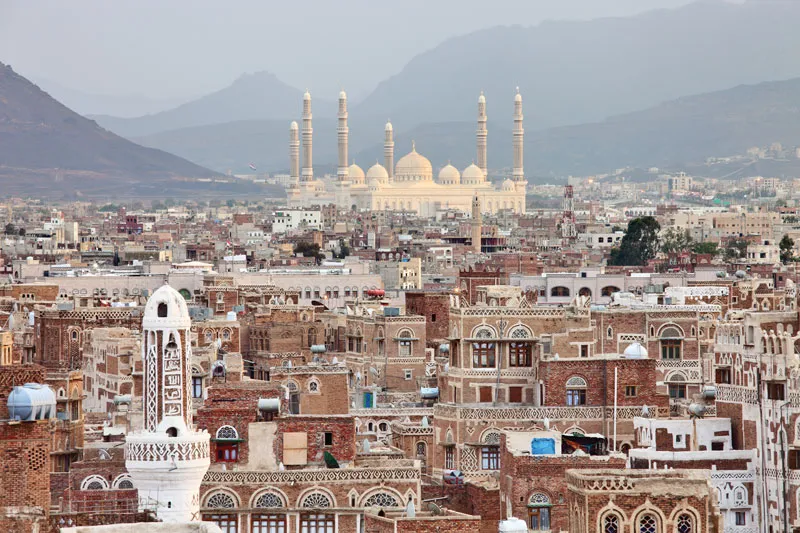
Spices culture in Yemen
Historical Trade Hub: Yemen's strategic location on ancient trade routes enriched its spice diversity. Key Spices: Cumin, coriander, cardamom, and turmeric are foundational. Sahawi Influence: Unique spice blends like hawaij enhance dishes. Coffee Tradition: Spices like cinnamon and cloves flavor Yemeni coffee. Regional Variations: Coastal regions favor fenugreek and saffron, while inland areas use more robust spices. Cultural Symbol:

Spices culture in Zambia
Indigenous Flavors: Zambian cuisine uses a variety of local herbs and spices. Key Ingredients: Common spices include cumin, coriander, and paprika. Herbal Infusions: Fresh herbs like basil and mint enhance dishes. Meat Dishes: Spices flavor grilled meats such as nyama (beef) and chikanda (sausage). Cultural Heritage: Spices reflect Zambia's diverse ethnic groups and traditional cooking methods. Spices and seasoning in

Spices culture in Zimbabwe
African Fusion: Zimbabwean cuisine blends indigenous flavors with influences from neighboring countries. Key Spices: Paprika, groundnut powder, and baobab fruit powder are fundamental. Herbal Diversity: Fresh herbs like lemongrass and wild basil are used. Staple Dishes: Sadza (cornmeal porridge) is often accompanied by spiced meats and vegetables. Cultural Significance: Spices reflect Zimbabwe's agricultural richness and cultural diversity, symbolizing traditional

Spices culture in Cabo Verde
The spice culture in Cape Verde reflects a fusion of African, Portuguese, and global influences: Common spices include chili peppers, ginger, turmeric, coriander, cumin, cardamom, cinnamon, cloves, and bay leaves. Unique regional spice blends like Kan Kan Kan, containing peanut powder, chili peppers, allspice, and bouillon, add complex flavors. Spices are often toasted in oil or ghee to develop their
Spices culture in Burundi
The spice culture in Burundi is characterized by the following: Common spices used include chili peppers, ginger, and soumbala (fermented locust beans). Other spices and seasonings mentioned include turmeric, coriander, cumin, cardamom, cinnamon, cloves, and bouillon cubes. A spice mix called Kan Kan Kan is used, containing peanut powder, chili peppers, allspice, and bouillon cubes. Herbs like parsley, thyme, and

Spices culture in Bulgaria
Bulgaria has a spice culture influenced by its location in the Balkans and its history. Key spices include: Paprika - used in stews, sausages, and spreads Cumin - used in breads and sausages Dill - used in pickles, salads, and soups Savory - used in breads and meat dishes Black pepper - used in meat dishes and soups Spices are often

Spices culture in Brunei
Brunei has a spice culture influenced by its location in Southeast Asia and its Malay heritage. Key spices include: Lemongrass - used in curries and soups Turmeric - used in curries and rice dishes Galangal - used in curries and soups Chili peppers - used to add heat to dishes Shrimp paste - used in sauces and condiments Spices are often

Spices culture in Brazil
Brazil has a diverse spice culture influenced by its indigenous, Portuguese, and African heritage. Key spices include: Malagueta pepper - a type of chili pepper used to add heat Cumin - used in stews and rice dishes Coriander - used in curries and chutneys Turmeric - used in curries and rice dishes Cloves - used in baked goods and drinks Spices

Spices culture in Botswana
Botswana has a spice culture influenced by its location in Southern Africa. Key spices include: Piri piri - a type of chili pepper used to add heat Cumin - used in stews and rice dishes Coriander - used in curries and chutneys Turmeric - used in curries and rice dishes Ginger - used in drinks and marinades Spices are often used